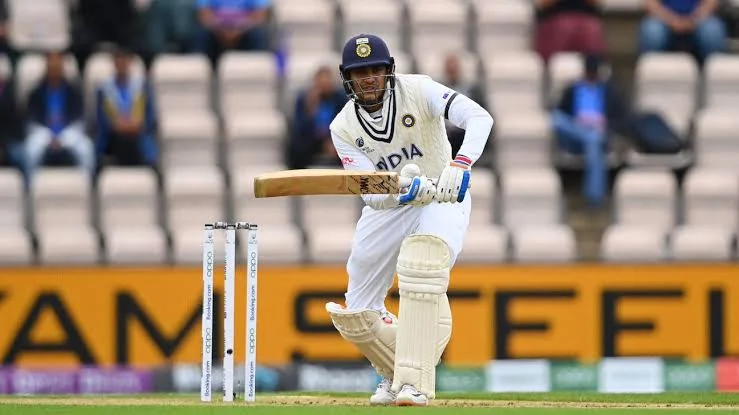
This image is not owned by Behind the Stump. Rights belong to the respective copyright owner.
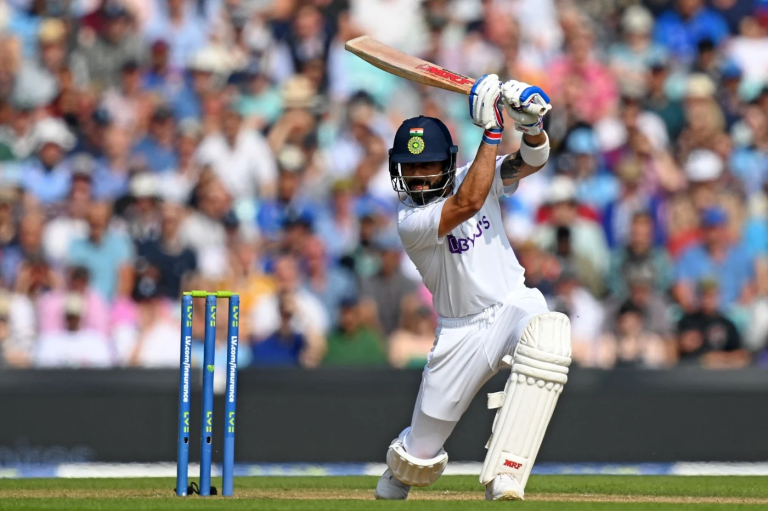
Batters take guard in cricket to establish where they stand in relation to the stumps. They ask the bowler’s-end umpire to align the bat with a chosen stump or gap, then use that reference when setting up. Middle, leg and off-stump guards provide different starting positions; none guarantees the best technique for every batter.
The small mark near a batter’s feet is therefore more than a pre-innings ritual. It helps create a repeatable setup before decisions about leaving, defending or attacking. Understanding the reference also explains why two batters can stand differently while facing the same bowler.
What does taking guard in cricket mean?
Taking guard means checking a position against the wicket rather than guessing where the stumps are behind you. The batter presents the bat upright, asks for the desired alignment and adjusts until the umpire confirms it.
The batter can then make an appropriate small mark near the crease. South Canterbury Cricket’s batting coaching guide describes the process and the familiar middle, leg, middle-and-leg and off-stump options.
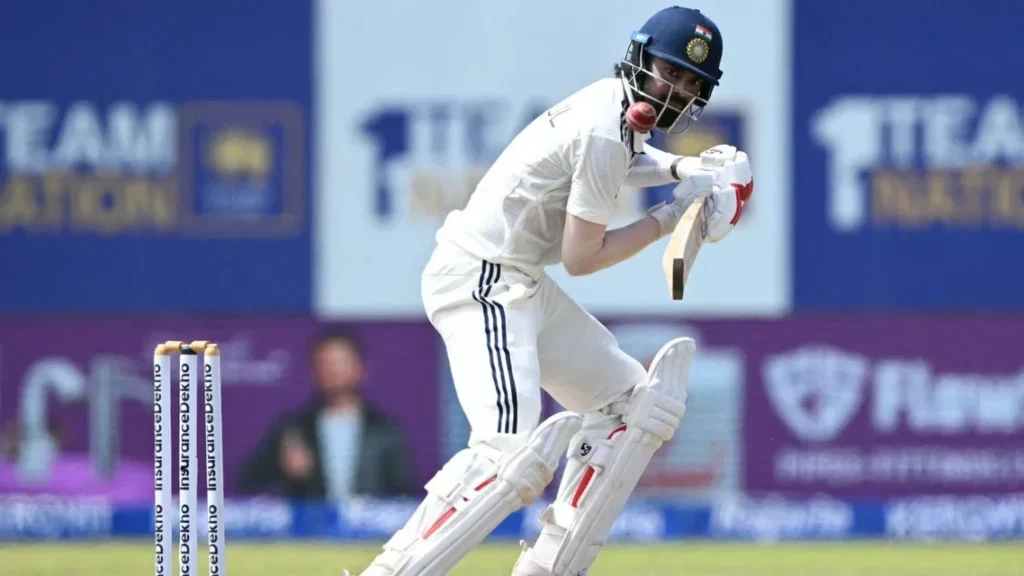
The reference is useful only if the batter knows how their stance relates to it. A toe placed beside a mark, the position of the bat and the alignment of the head are connected, but they are not interchangeable measurements.
Middle, leg and off-stump guard: what is the difference?
Middle-stump guard aligns the reference with the centre stump. Leg-stump guard aligns it with the stump on the batter’s leg side. Off-stump guard uses the stump on the off side. Off and leg are defined relative to the batter, so their physical sides reverse for a left-hander.
Middle-and-leg guard is a reference between those two stumps. It is often called “two legs”; leg-stump guard may be called “one leg”. A clear request matters more than assuming everyone uses identical shorthand.
These names identify the requested alignment. They do not instruct a batter to hide every stump with the pads or to plant both feet on one line. How the player builds a stance around the reference is a separate technical choice.
Why can a small change of guard matter?
A different starting reference can alter where the batter’s body and bat begin relative to the wicket. That may affect access to shots, balance and awareness of off stump. The useful result depends on the player’s movement after the bowler starts the delivery.
A batter who moves across the crease before contact must account for that movement. The original guard remains a reference, but it does not describe the final position of the front pad. Watching only the mark can therefore give an incomplete picture of the technique.
It also helps to separate the batter’s position from the ball’s landing point. Our bowling lengths guide explains why a yorker and a good-length ball ask different questions even when the batter starts from the same guard.
Does taking guard help a batter leave the ball?
It can help by giving the batter a more reliable sense of the wicket’s location. A player who understands that reference can better judge whether a ball outside off stump needs a shot. Guard is part of the information, rather than a substitute for reading the delivery.
The release angle, movement and bounce still matter. A ball that begins outside off stump may move towards the wicket; another may continue away. Our swing vs seam bowling explainer distinguishes movement in the air from movement after pitching.
Good judgement also requires watching the ball. A batter cannot decide every leave in advance simply because they have taken middle or leg. The repeatable setup should support a decision, not force the same response to every delivery.
One example: the same guard, two different movements
Imagine a fictional right-handed batter taking middle-stump guard. For one delivery, the batter stays balanced near the original setup and leaves a ball that passes safely outside off stump. For the next, the batter moves across before defending.
The mark has not changed, but the body’s relationship to the stumps has. If the second ball hits the pad, an LBW appeal depends on the ball’s path and the relevant conditions, not on which guard the batter originally requested.
Our LBW rules guide explains those checks. Calling a guard “safe from LBW” overlooks what happens between the starting stance and impact.
Can batters change guard or mark anywhere on the pitch?
Batters can reassess their reference, but must respect the pitch and avoid unnecessary delays. A mark should not become an excuse to damage the surface or create rough in a useful bowling area.
The MCC’s 2026 Laws of Cricket address batter time-wasting and pitch damage in Law 41. They also restrict taking a stance in the protected area, or so close to it that frequent encroachment is inevitable. Local playing conditions should be checked where applicable.
For beginners, the practical approach is to confirm the reference clearly and establish a comfortable, repeatable setup with a coach. Repeatedly changing the mark without understanding the resulting movement rarely explains a technical problem on its own.
Taking guard in cricket FAQs
These answers cover taking guard in cricket, middle-stump and leg-stump guard, and the difference between a reference mark and a batting stance.
1. Is middle guard always better than leg guard?
No. The useful choice depends on the batter’s stance, movement and awareness of the stumps. There is no universal best guard.
2. What does “two legs” mean when taking guard?
It commonly means middle-and-leg, a reference between the middle and leg stumps.
3. Do left-handed batters use different stump names?
They still have an off stump, middle stump and leg stump. Off and leg change physical sides with the batter’s handedness.
4. Does guard determine whether a batter is out LBW?
No. The delivery, pitching point, impact and projected path determine the decision under the rules. The original guard is not the test.
5. Is a batter’s guard the same as their stance?
No. Guard establishes a reference to the stumps. Stance describes how the batter sets up around that reference.