How to Read a Cricket Pitch Before a Match
Learn what grass, moisture, cracks and hardness can tell you about a cricket pitch, and how to use those clues before the toss.

Learn cricket basics with simple guides to batting, bowling, fielding and the different cricket formats. Explore Test, ODI and T20 cricket, understand player statistics, and discover how pitch conditions and dew can affect a match. Start here if you are new to cricket or want to follow the game with more confidence.
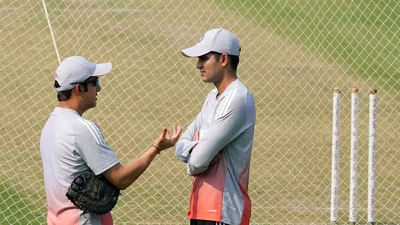
Learn what grass, moisture, cracks and hardness can tell you about a cricket pitch, and how to use those clues before the toss.
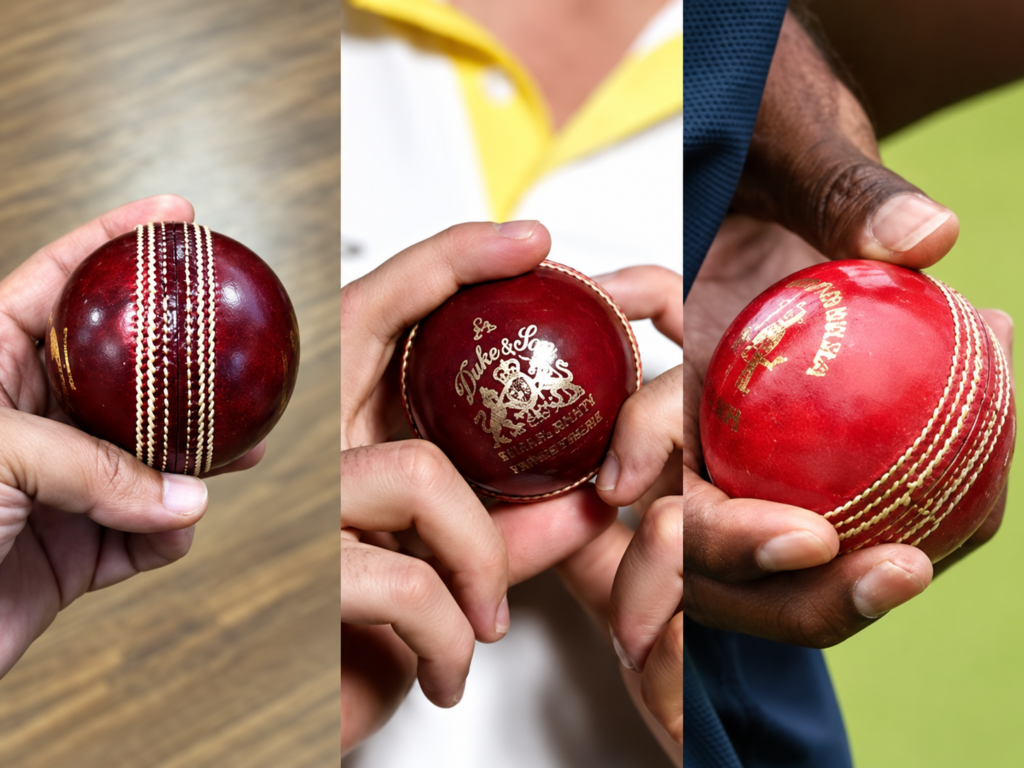
Dukes vs Kookaburra vs SG explained: compare cricket ball seams, construction, swing and common Test match use, with simple examples.
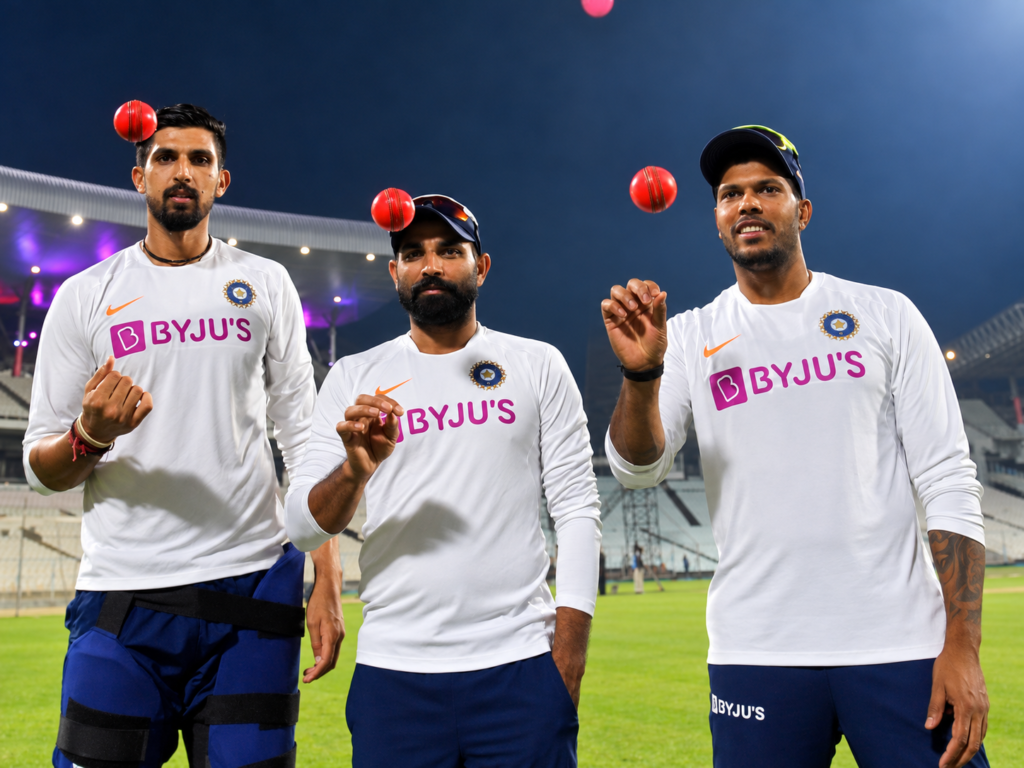
Pink ball vs red ball vs white ball explained: compare formats, visibility, surface finish and how cricket balls behave in different conditions.
ICC cricket rankings vs team ratings explained with simple examples. Learn the difference between rank, rating points, total points and WTC standings.
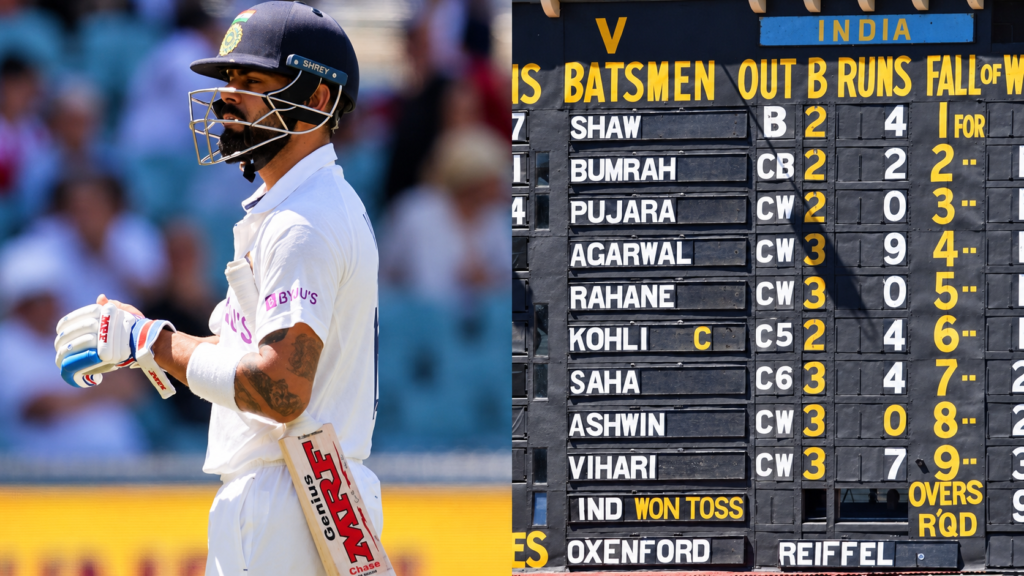
Learn how to read a cricket scorecard with simple examples. Understand runs, wickets, overs, batting abbreviations, bowling figures and match results.
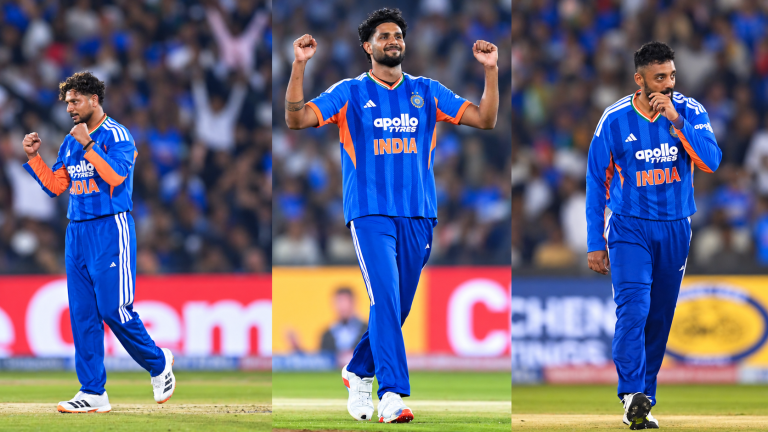
Bowling average vs economy rate explained with formulas and examples. Learn how bowling strike rate differs and how to compare spells and career statistics.
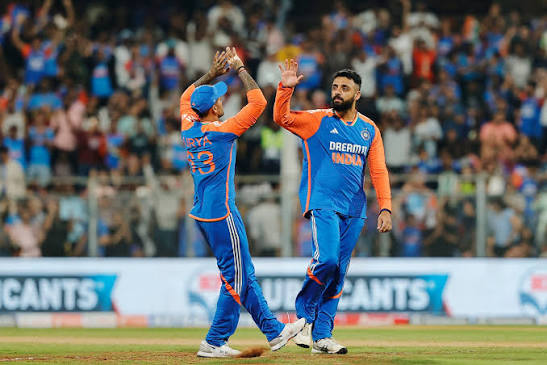
Off spin vs leg spin explained with simple examples. Learn the difference between off spin and leg spin, types of spin bowling and what a googly does.
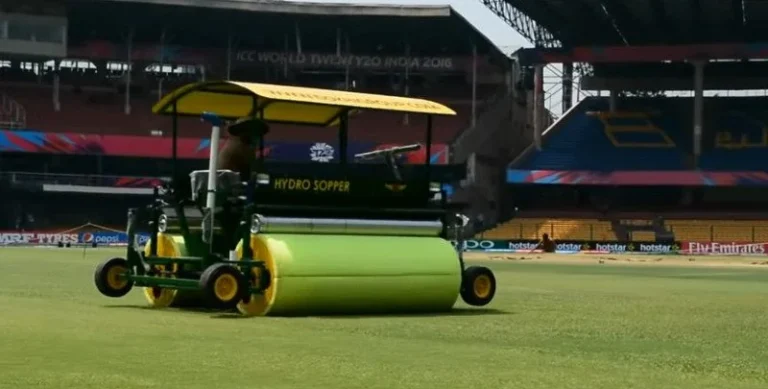
Understand the dew factor in cricket, how dew affects cricket bowling and fielding, and why a wet ball can favour chasing in T20 cricket.
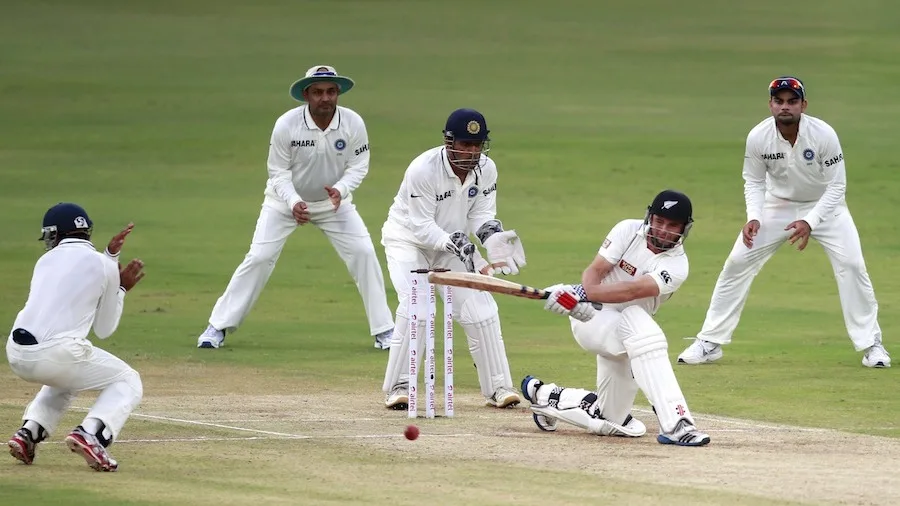
Learn cricket fielding positions with a clear diagram. Understand slips, point, cover, midwicket, fine leg and how captains set a field.
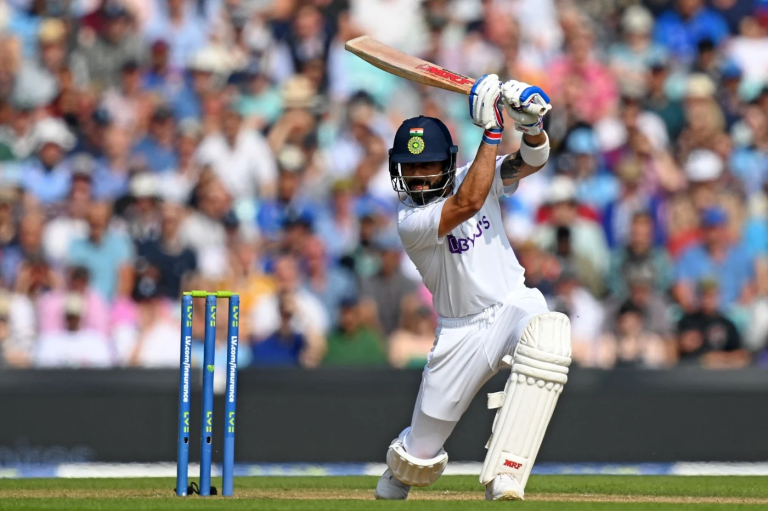
Batting average vs strike rate explained with formulas, worked examples and the context needed to compare batters across Test, ODI and T20 cricket.