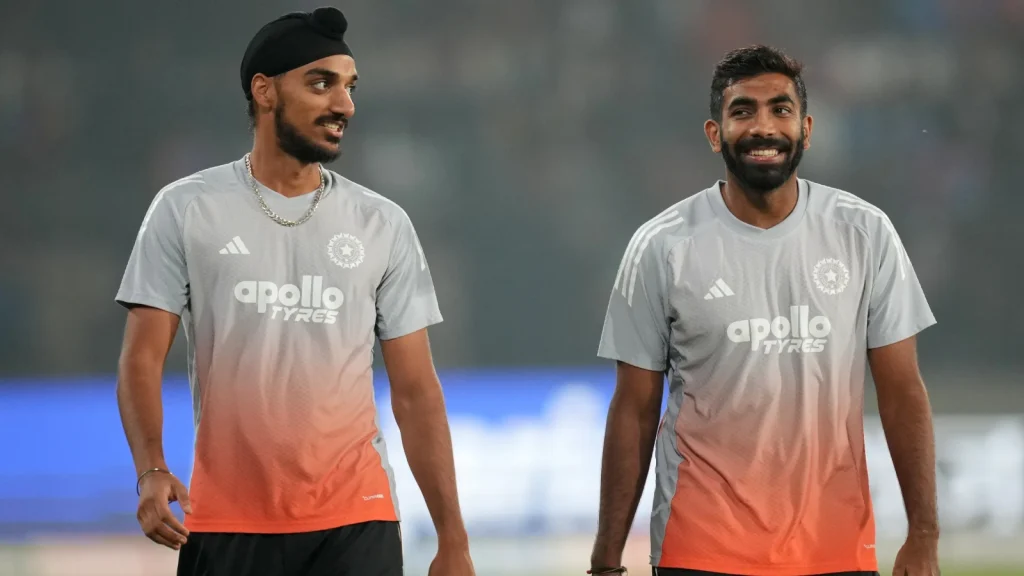
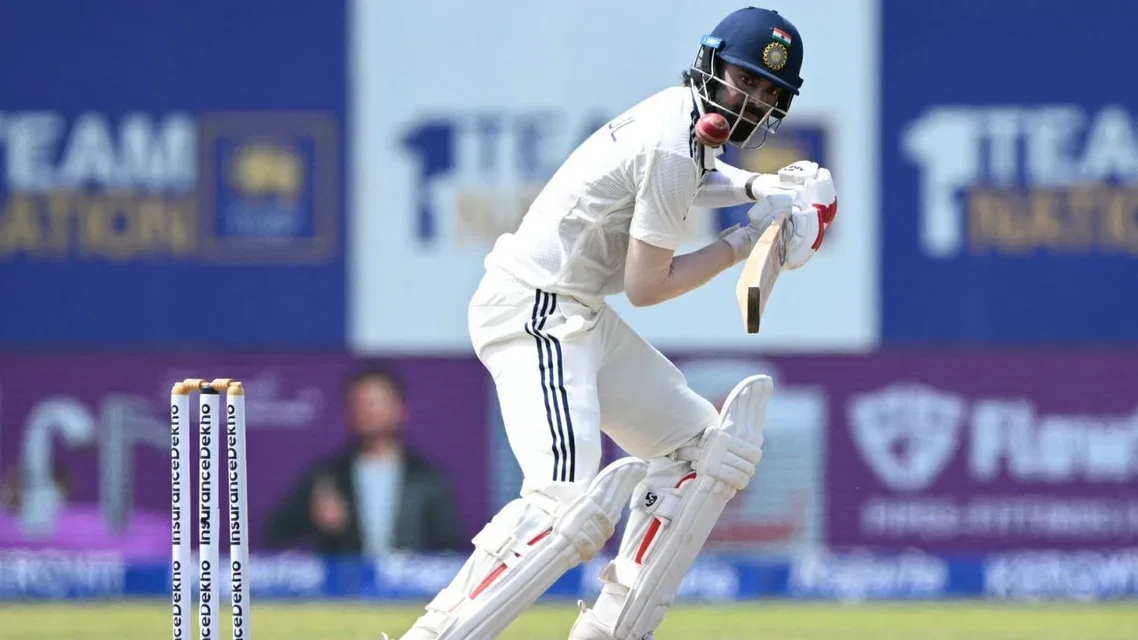
This image is not owned by Behind the Stump. Rights belong to the respective copyright owner.
Indian domestic cricket pathways connect local and association cricket with representative teams, senior domestic tournaments and opportunities at higher levels. The Ranji Trophy tests multi-day skills, the Vijay Hazare Trophy covers 50-over cricket, and the Syed Mushtaq Ali Trophy is the senior men’s state T20 competition.
There is no compulsory sequence in which every player must win these tournaments before representing India. Different formats reveal different strengths, while selection involves opportunities, team balance and sustained performance. This guide focuses on the senior men’s pathway; women’s and age-group cricket have their own competitions.
How does a player enter representative domestic cricket?
Players can develop through schools, clubs, district competitions and association structures, with routes differing by region. Age-group representation can provide an opening, but it should not be treated as a universal admission requirement for senior cricket.
For a player seeking trials, the practical starting point is their relevant cricket association’s official notices. Eligibility, registration and selection arrangements need checking locally. There is no single nationwide application that automatically puts someone into a Ranji Trophy squad.
The useful question is therefore “Which recognised competition can I enter next?” rather than “Which trophy guarantees an India call-up?” An academy can help development, but its name alone is not proof of representative status.
Ranji Trophy vs Duleep Trophy: what is the difference?
The Ranji Trophy is India’s principal senior men’s domestic first-class championship, featuring state and other recognised association or institutional teams. Multi-day matches allow selectors and supporters to assess long innings, repeated spells and adaptation across changing conditions.
The Duleep Trophy is another first-class competition, but its representative structure has changed across seasons. For 2026-27, the BCCI announced six zonal squads. That season-specific detail matters: an explanation based on a different edition’s teams can mislead readers.
Neither competition is a Test series. “First-class” is the wider classification, while Tests are internationals. Our comparison of cricket formats explains how the demands of multi-day cricket differ from limited-overs matches.
Vijay Hazare Trophy vs Syed Mushtaq Ali Trophy
The Vijay Hazare Trophy is the senior men’s domestic 50-over tournament, with List A status. The Syed Mushtaq Ali Trophy, often shortened to SMAT, is the corresponding state-based T20 competition. Both offer opportunities to demonstrate skills in their respective formats.
The BCCI’s 2026-27 domestic season announcement places these competitions within a wider calendar that also includes multi-day and age-group events. Exact dates and competition arrangements should be checked for the relevant season.
A Vijay Hazare performance belongs in a domestic List A record, rather than automatically becoming an ODI statistic. Similarly, a SMAT innings is a T20 performance, not a T20I innings. Our T20 versus T20I guide explains that distinction.
Where do India A and the IPL fit?
India A is a representative development and assessment environment below the senior international side. It is not another state championship, and selection does not promise a later India debut. The opposition, format and assignment determine what a particular tour can reveal.
The IPL is a franchise T20 competition. It can offer visibility and demanding match situations, but it does not replace the work done across association and domestic cricket. A player’s suitability for a Test role cannot be settled by franchise T20 scores alone.
It helps to distinguish three questions: which team does the player represent, what format are they playing, and what role are they being asked to perform? Those questions make a pathway easier to follow than a supposed ladder of increasingly prestigious trophies.
One example: following the same batter across formats
Consider a fictional state batter who makes a patient Ranji century, an attacking Vijay Hazare fifty and a short SMAT cameo. Each innings contributes different evidence. The century may show concentration; the fifty may show innings management; the cameo may reveal boundary options under immediate pressure.
None should be compared using runs alone. Balls faced, batting position, opposition and match situation change the interpretation. Our batting average and strike rate explainer helps readers avoid treating a single number as a complete assessment.
When reading a selection story, look for the role the team needs and evidence relevant to that role. A strong season creates a case for consideration, not a contractual claim to selection.
Indian domestic cricket pathways FAQs
These answers cover Indian domestic cricket pathways and the differences between Ranji Trophy, Duleep Trophy, Vijay Hazare Trophy and SMAT cricket.
1. Is the Ranji Trophy the same as Test cricket?
No. Ranji is a domestic first-class competition; Test cricket is an international format.
2. Is the Duleep Trophy always played between zones?
No. Its structure has changed between editions. The 2026-27 competition uses six zonal teams.
3. Does playing in the IPL guarantee selection for India?
No. Franchise performance is evidence for selectors to assess, alongside role requirements and other relevant cricket.
4. Must a player complete every age-group level first?
There is no universal compulsory sequence. Association eligibility and selection processes determine the opportunities available to an individual.