This image is not owned by Behind the Stump. Rights belong to the respective copyright owner.
Bowling lengths in cricket describe where the ball lands along the pitch. A yorker lands very close to the batter’s feet or bat, a good-length ball creates uncertainty about playing forward or back, and a bouncer lands short and rises towards the upper body or head.
These labels explain different challenges for a batter. They do not describe speed alone: a bowler can deliver a slower bouncer, while a yorker can swing before it reaches the ground. Watching the landing point and the bounce makes the differences easier to recognise.
What do line and length mean in cricket?
Length describes how far down the pitch the ball lands. Line describes its sideways direction relative to the batter and stumps, such as outside off stump or towards leg stump. A ball can therefore be both short in length and wide in line.
There is no single fixed distance that makes every delivery a good-length ball. Pace, release height, the surface and the batter’s position all influence how the ball arrives. Television pitch maps are helpful comparisons, but their coloured zones are not legal definitions.
The ICC’s bowler-review regulations distinguish good-length, yorker-length and bouncer-length deliveries when assessing pace bowlers. That classification separates delivery types; it does not prescribe one universal landing distance for match tactics.
Yorker vs bouncer vs good length: a quick comparison
A yorker is very full and reaches the batter near ground level. Its main challenge is getting the bat down quickly enough to protect the stumps and feet. A good-length delivery lands farther away and tests the decision to move forward or back. A bouncer lands shorter still and rises sharply, demanding a judgement about attacking or avoiding it.
Think of the order from the batter back towards the bowler: yorker, fuller driving length, good length, back of a length, then short-pitched territory. These are useful coaching descriptions rather than painted boundaries on the pitch. A full toss is different because it reaches the batter without bouncing first.
What is a yorker in cricket?
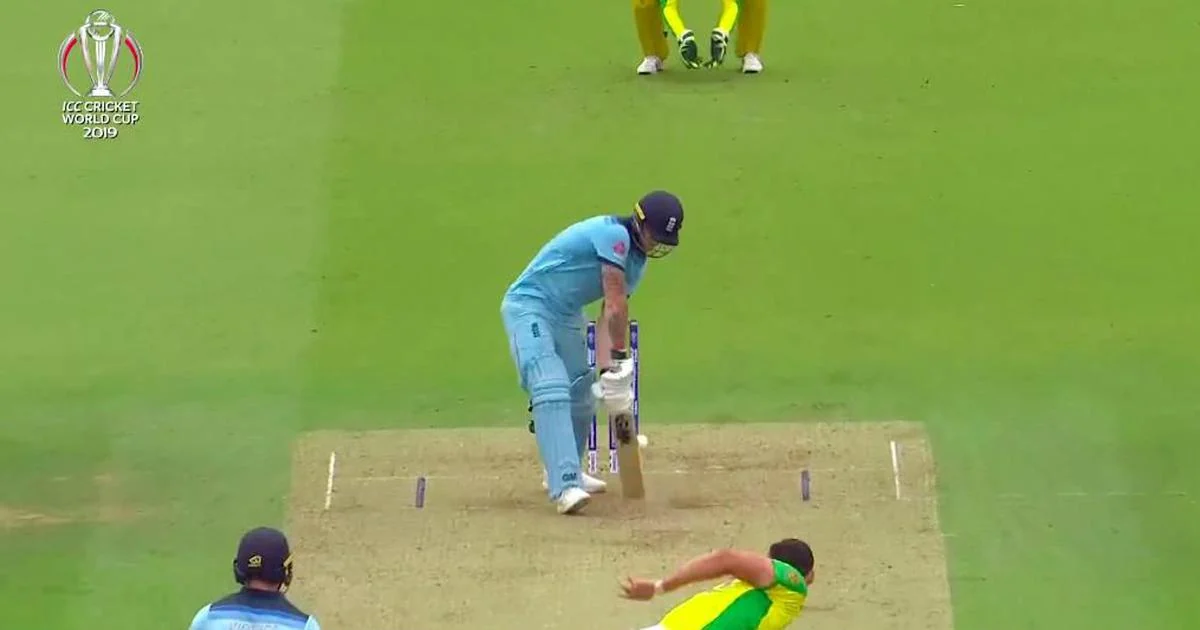
A yorker is a delivery that lands close to the batter’s feet or the bottom of the bat. A straight yorker can threaten the stumps while leaving little room for a full swing. A wider yorker changes the line to make a clean hit harder to reach.
Execution matters. An attempted yorker that lands too early may become a hittable full delivery or half-volley. One that does not bounce before reaching the batter is a full toss. A wide yorker can also concede a wide if its line falls outside the applicable playing conditions.
Yorkers are often useful late in a limited-overs innings when batters seek boundaries. They are not automatically the best choice for every ball: predictable targeting allows a batter to adjust position, open the face or attempt a scoop. Changing pace can complement the plan, as our slower-ball variations guide explains.
What is a good-length ball?
A good-length ball lands in an area that makes committing forward or back difficult. Moving too far forward may leave the batter uncomfortable against the bounce; staying deep may make it harder to cover movement or reach the ball comfortably.
The effective area changes with conditions. A length that rises awkwardly on a firm surface may arrive much lower on a slow pitch. A taller bowler’s release and a batter standing outside the crease also change the encounter. Our guide to reading a cricket pitch explains why bounce and surface behaviour matter.
Good length does not mean guaranteed good bowling. The line must still support the plan, and the batter may judge the delivery well enough to defend, leave or score. Back of a length is a little shorter, generally encouraging a back-foot response, without necessarily becoming a bouncer.
What is a bouncer, and is it legal?
A bouncer is a short-pitched delivery that rises towards the batter’s upper body or head. It can push a batter onto the back foot, interrupt front-foot scoring or invite a pull or hook towards a protected boundary. A short ball that stays low is not automatically an effective bouncer.
Short-pitched bowling is subject to safety rules and the competition’s playing conditions. The MCC’s 2026 Laws explanation describes how umpires assess dangerous short-pitched bowling using factors including speed, length, height, direction and the striker’s skill. Protective equipment does not remove that responsibility.
Do not assume the same per-over allowance applies everywhere. Check the format and competition regulations. A bowler also needs a suitable field: our cricket fielding positions guide helps explain the roles of fine leg and deep square leg in a short-ball plan.
One example: changing bowling lengths in the final over
Imagine a fictional chase with 12 runs needed from six balls. The bowler begins with a well-directed yorker that allows only a single. The next batter expects another full delivery, but the bowler switches to a legal bouncer with protection on the leg-side boundary.
The change may disrupt the batter’s preparation, but it can also be pulled for four or six if recognised early. A subsequent good-length ball might use uneven bounce, or it might sit up invitingly on a true surface. The best choice depends on execution, conditions, field placement and the batter’s response.
Bowling lengths in cricket FAQs
These answers clarify bowling lengths in cricket, including the yorker vs bouncer comparison and what makes a good-length ball difficult to play.
1. Is a yorker the same as a full toss?
No. A yorker bounces close to the batter’s feet or bat. A full toss reaches the batter without bouncing.
2. How many metres is a good length?
There is no universal measurement. The useful landing area depends on pace, bounce, release height and the batter’s position.
3. Is every short ball a bouncer?
No. A short delivery must produce the relevant rising trajectory to function as a bouncer. A slower or lower-bouncing surface may change its effect.
4. Can a yorker be bowled slowly?
Yes. Yorker describes length, not a compulsory speed. Changing pace makes control and deception especially important.
5. Which bowling length is hardest to play?
There is no single answer. A well-executed yorker, an awkward good-length ball and a well-directed bouncer test different skills in different situations.