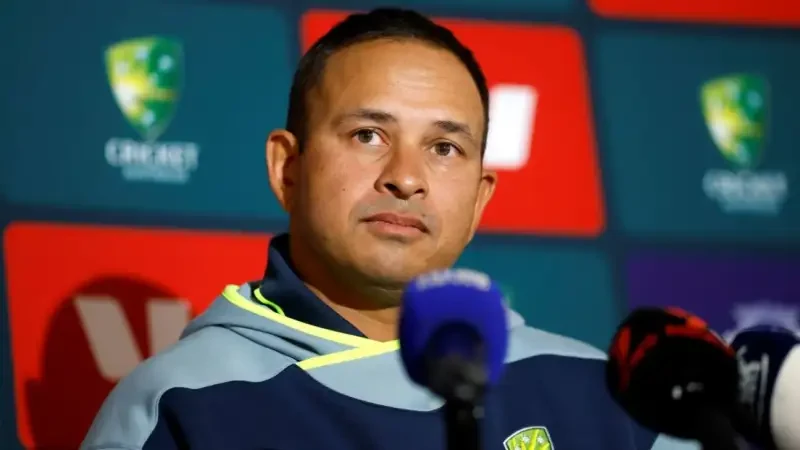
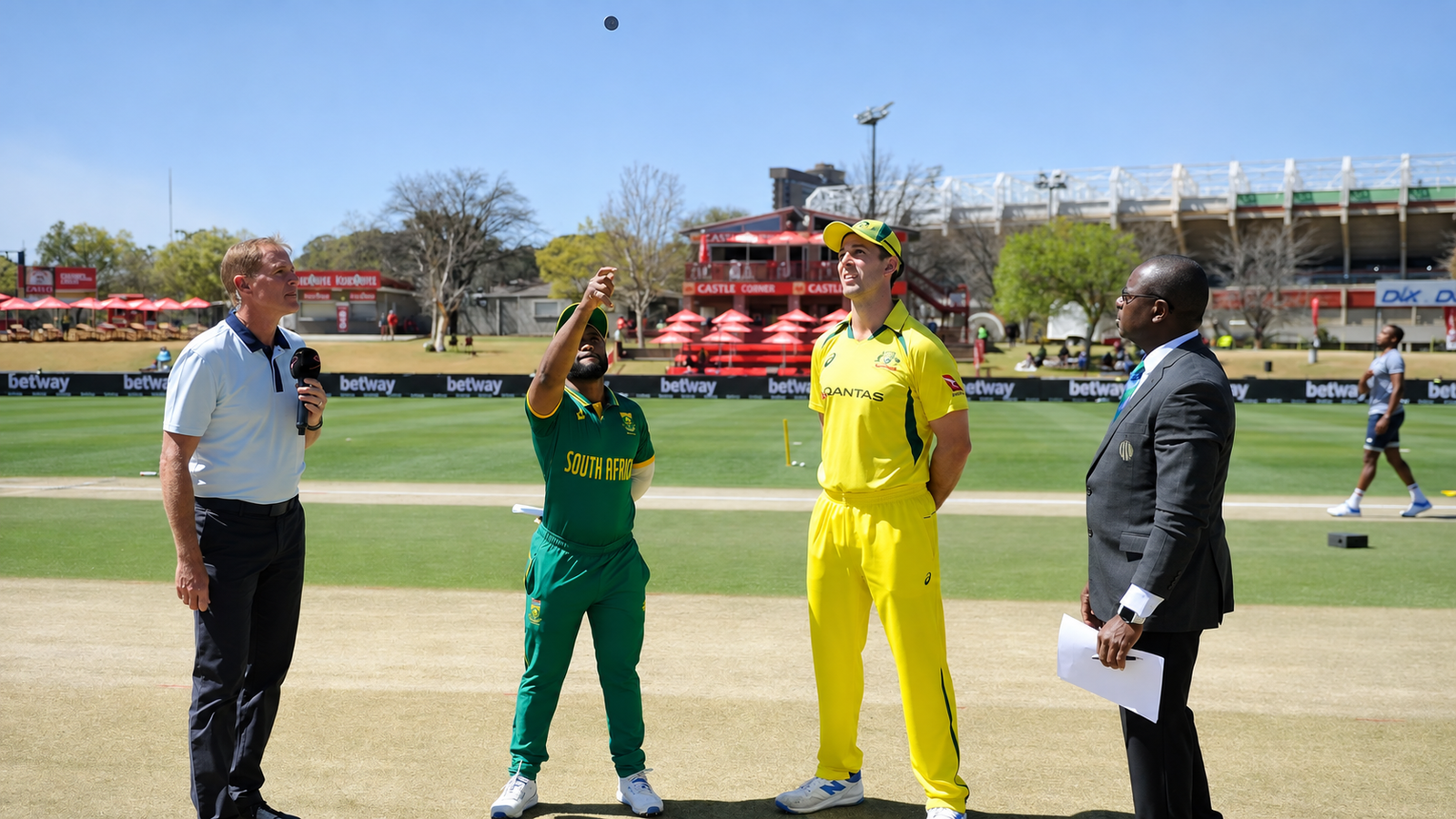
Image credit: Cricket Australia (AI-enhanced for clarity)
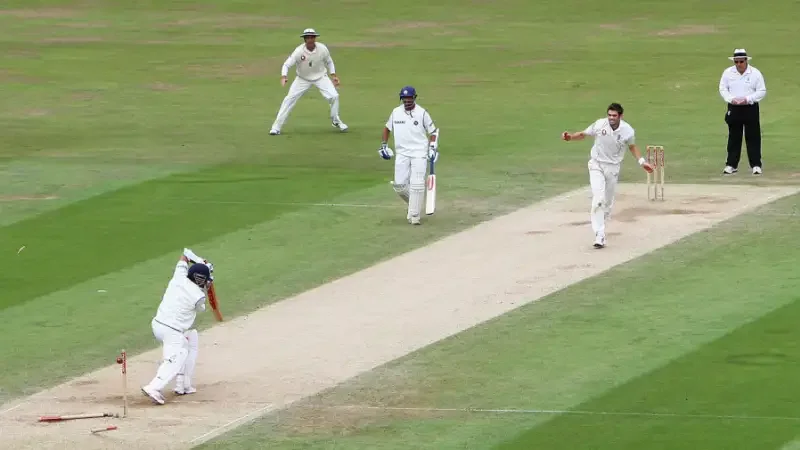
Teams bowl first when they expect early bowling conditions, later batting conditions or the clarity of a known target to help them more than setting a total. The decision is a forecast about how the match will develop. It is not a guarantee that chasing will be easier.
Why does knowing the target help?
Batting second gives a team a defined objective. Batters can compare the runs needed with the balls and wickets available, then decide when to accelerate. Our required run rate guide explains that calculation.
Imagine a fictional chase of 161 in 20 overs. After ten overs, 76 for two leaves 85 from 60 balls. That information helps shape the next phase, but it cannot make difficult bowling disappear. A target can create pressure as well as clarity.
How does dew influence the decision?
If dew makes the ball wet later, the team bowling second may find grip and execution harder. A captain expecting substantial dew may prefer to use the bowling attack before that happens and then chase. The ICC’s discussion of India’s 2023 World Cup batting approach identifies dew as one reason second-innings batting could become easier.
The forecast remains uncertain. Our dew explainer covers the practical effects. A captain should also consider when moisture might arrive and which bowlers would be operating then.
Why might early conditions favour bowling?
A captain may expect the surface to offer the new-ball attack its best opportunity at the start. The useful question is whether that advantage is large enough to outweigh the cost of batting later. Reading the pitch also means estimating how it will change, rather than relying on its appearance alone.
Our pitch-reading guide and swing vs seam explainer provide the background. A surface that looks inviting still requires bowlers who can exploit it.
When can batting first be the better choice?
A side may prefer to set a total if it expects batting to become harder or backs its attack to defend. In Tests, the captain must think beyond the opening session to the likely later innings. In limited-overs matches, a large target can force the chasing side into risks.
Josh Hazlewood’s ICC press conference after Australia’s 2023 Chennai match illustrates the competing considerations: avoiding dew can favour bowling first, while deterioration can make a chase difficult. There is no single toss formula that resolves every ground.
How should fans judge a toss decision?
Assess the information available before play: the expected surface, weather, team balance and likely changes in conditions. Then separate that forecast from execution. A dropped catch or a poor opening spell can undermine a reasonable plan.
A fictional side may correctly anticipate easier batting later but concede too many runs to exploit it. Another may choose to bat and win despite misreading conditions. The result alone does not explain the quality of the decision.
Cricket Toss Decisions FAQs
These answers explain why captains choose to bowl first, when chasing can help and why winning the toss does not decide the match.
1. Does winning the toss guarantee victory?
No. Winning the toss gives the captain a choice of innings order, but the team must still execute its batting, bowling and fielding plans. Even a sensible forecast about conditions can be outweighed by poor performance or an outstanding opposition effort.
2. Should teams always chase in T20 cricket?
No. A known target can help batters plan a chase, but it can also create pressure as the required rate rises. Captains should weigh the pitch, expected changes in conditions and their team’s strengths rather than treat batting second as an automatic advantage.
3. Can a captain change the choice after announcing it?
Under the ICC Test conditions cited in this article, the decision cannot be changed once it has been notified. That makes the pre-toss assessment important: the captain needs to decide which order best suits the expected match rather than wait to see how the first overs unfold.
Further reading: ICC on bowl-first strategy and conditions; Josh Hazlewood’s Chennai press conference. Toss rule: ICC men’s Test playing conditions, October 2026, clause 13.5.