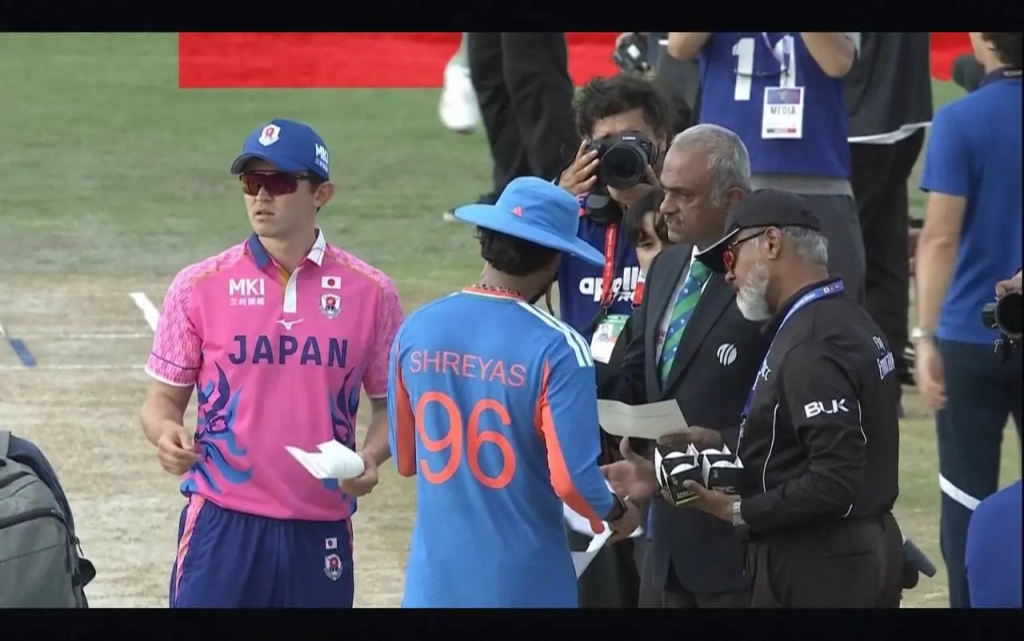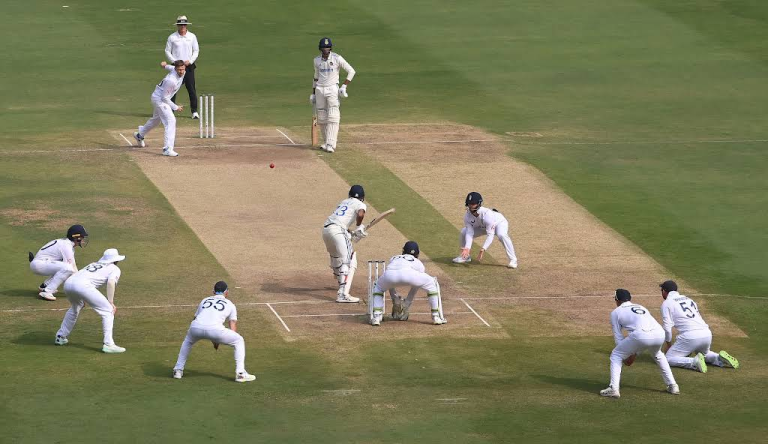
A Super Over is a tie-break in which each team gets a one-over innings and the higher score wins. An innings ends after six legal balls or two wickets. Under current ICC men’s T20I rules, a tied Super Over leads to another round, subject to conditions and permitted playing time.
Both teams finish level. The match feels complete, but the contest continues. A Super Over compresses the decision into a few deliveries, where one dot ball or one wide can change the plan.
What Is a Super Over in Cricket?
A Super Over creates a separate, short contest after a tied match when the competition’s playing conditions provide for it. It does not simply add one more over to each original innings. The teams start fresh scores for the tie-break.
This guide uses the ICC men’s T20I playing conditions effective October 2026, Appendix F. Other competitions can vary, so check their own regulations before applying every detail.
Super Over Rules at a Glance
Each side faces up to six valid deliveries. Losing two wickets closes its innings early. The team that chased in the match bats first in the opening Super Over; the side with more runs wins. Wides and no-balls require extra deliveries.
Eligible participants come from the nominated match players, including approved concussion replacements. Each side effectively has up to three batters available for an innings that ends at the second wicket.
A Super Over Example With Simple Numbers
Suppose both teams finish their regular innings on 160. Team B, which chased, bats first in the Super Over and scores 12. Team A now needs 13 to win. If Team A reaches 13 after five legal balls, the chase is complete.
If Team A scores 12, the round is tied. Scoring 11 means Team B wins. The number of wickets lost does not settle equal scores: 12/0 and 12/1 are still level.
This is an illustrative scenario. It shows why a captain defending 12 must plan around boundaries, singles and extras rather than assume wickets alone decide the result.
What Happens If the Super Over Is Tied?
Another Super Over is played under the cited ICC rules. Further rounds can follow if scores remain level. In the next round, the team that batted second in the previous Super Over bats first.
The boundary-count tie-break used in the 2019 World Cup final is not the current ICC men’s T20I procedure. The result is sought through repeat rounds instead.
Can the Same Batter or Bowler Play Again?
A batter dismissed in any earlier Super Over cannot bat in a later round. A bowler who delivered the immediately preceding Super Over cannot bowl the next one. The restrictions differ: the bowler may become eligible again after sitting out a round.
A batter who stayed not out can be used again if otherwise eligible. Captains therefore need to plan beyond their first-choice pair and bowler. A second round can demand a different matchup.
Do Wides, No-Balls and DRS Apply?
Yes. Ordinary delivery and scoring rules continue unless the Super Over procedure changes them. Extras can increase the score while extending the over, which creates another scoring opportunity.
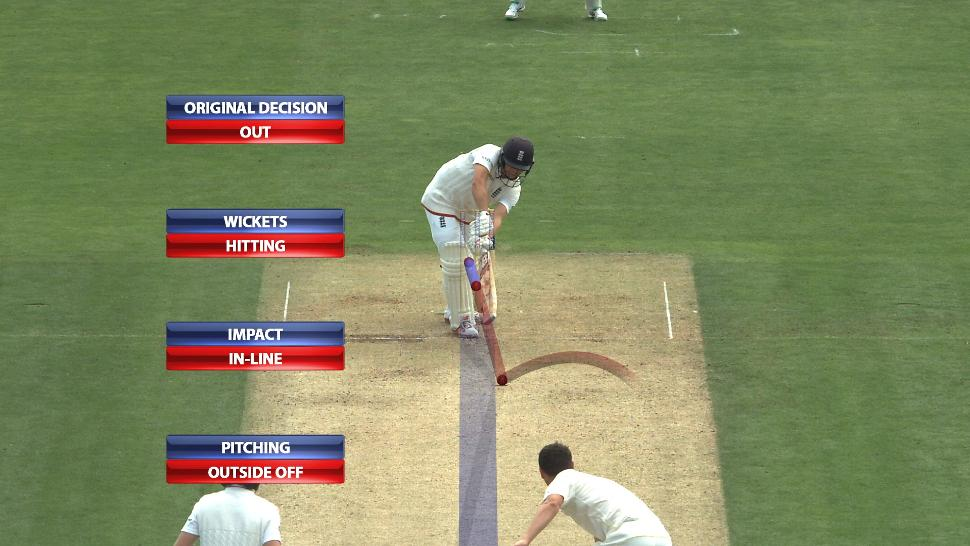
The cited ICC procedure gives each team one unsuccessful player review per Super Over innings. That entitlement is separate from reviews used in the match. For the technology behind a review, see our DRS explainer.
What If Rain Prevents a Result?
Weather, interruptions and exceptional circumstances can stop repeat rounds from being completed. Under the cited standard men’s T20I conditions, a match remains tied if the required Super Overs cannot determine a winner. Tournament-specific knockout rules may provide a different outcome.
A Super Over is different from net run rate, which ranks teams across qualifying matches. One settles a tied contest; the other helps order a table.
Why Super Over Decisions Matter
In our tactical view, a captain should choose players for the specific six-ball task. A batter who can attack immediately may suit the opening innings, while a chase can demand different risks once the target is known. The bowler’s control matters because an extra gives away both a run and another chance.
Super Over Rules FAQs
These quick answers cover what happens in a Super Over, repeat rounds and the most common tie-break misunderstandings.
1. How many balls are bowled in a Super Over?
Up to six legal balls per side. Wides and no-balls add deliveries, while two wickets or a completed chase can finish an innings earlier.
2. How many wickets end a Super Over innings?
Two wickets. Losing the second closes the innings even with balls remaining.
3. Who bats first in a Super Over?
Under the cited ICC rules, the team that batted second in the match bats first in the opening round.
4. What if the second Super Over is also tied?
Another round follows, subject to playing conditions, available time and circumstances.
5. Does every tied cricket match have a Super Over?
No. The competition’s rules must provide for one. Test matches and other competitions do not automatically use this procedure.