
Bowling average measures runs conceded per wicket, while economy rate measures runs conceded per over. Bowling strike rate measures valid balls bowled per wicket. Lower values usually indicate stronger performance in the aspect measured, but format, conditions and bowling role matter.
A bowler can keep the runs down without taking a wicket. Another can concede more runs while breaking an important partnership. Their numbers answer different questions.
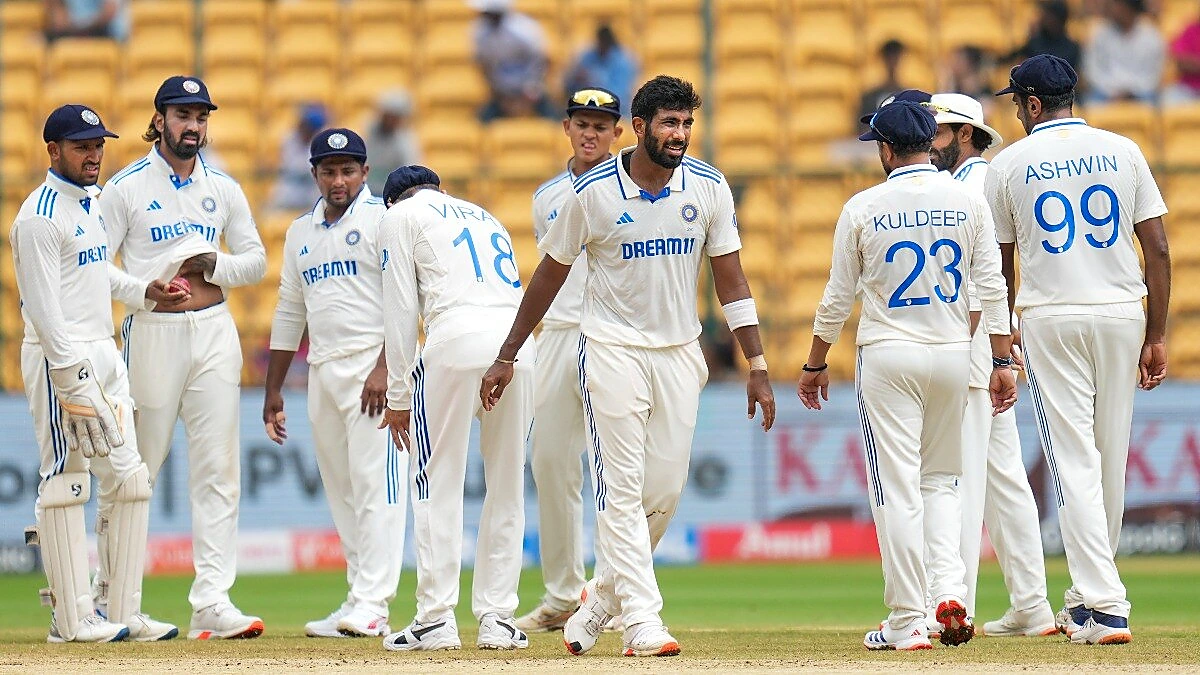
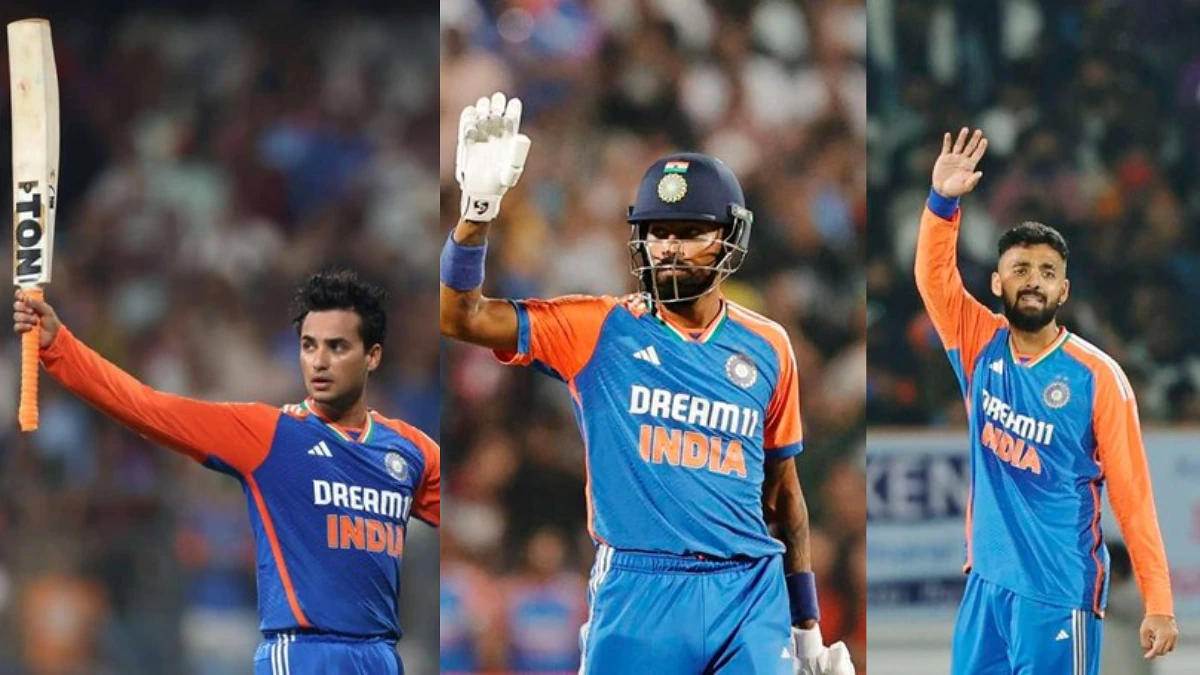
This bowling average vs economy rate guide uses invented figures to explain the calculations. They are not statistics for the players in the AI-enhanced featured image.
Bowling Average vs Economy Rate: A Quick Comparison
Average describes the cost of wickets; economy describes scoring control. Bowling strike rate adds the speed at which wickets are taken.
| Statistic | Formula | Question it answers |
|---|---|---|
| Bowling average | Runs conceded ÷ wickets credited to the bowler | How many runs does each wicket cost? |
| Economy rate | Runs conceded ÷ overs bowled | How many runs are conceded per over? |
| Bowling strike rate | Valid balls bowled ÷ wickets credited | How many balls are needed per wicket? |
Use the bowler’s conceded runs and credited wickets. Run outs are team dismissals, not bowler wickets. Byes and leg byes are not charged to the bowler; wides and the no-ball penalty are.
What Is the Bowling Average Formula?
The bowling average formula is total runs conceded divided by total wickets taken. For example, 240 runs conceded and 12 wickets give an average of 20.00.
That means the bowler conceded 20 runs per wicket across that record. It does not mean every wicket fell after exactly 20 runs.
A bowling average is different from a batting average. For the other side of the contest, read our batting average vs strike rate guide.
What Is Economy Rate in Cricket?
Economy rate in cricket is runs conceded per over. A bowler conceding 28 runs from four overs has an economy of 28 ÷ 4 = 7.00.
Convert incomplete overs correctly. A spell of 3.2 overs contains 20 valid balls, equivalent to 20 ÷ 6 overs. Conceding 25 runs gives an economy of 25 ÷ (20/6) = 7.50, not 25 ÷ 3.2.
The scoreboard’s dot separates overs and balls. It is not a decimal point. Keep full precision until the final displayed result.
What Does Bowling Strike Rate Mean?
Bowling strike rate is the number of valid balls bowled per wicket. If a bowler takes three wickets in four six-ball overs, the strike rate is 24 ÷ 3 = 8.00.
That is a wicket every eight valid balls on average. Bowling strike rate has a different meaning from batting strike rate, which measures runs per 100 balls.
Wides and no-balls do not add to the valid-ball count. They can still increase the bowler’s conceded runs, affecting average and economy. Our cricket extras guide explains how they are recorded.
One Example Connecting All Three Bowling Statistics
A spell of 3/24 from four overs produces an average of 8.00, an economy of 6.00 and a bowling strike rate of 8.00. The identical average and strike-rate numbers measure different units.
| Calculation | Working | Result |
|---|---|---|
| Average | 24 runs ÷ 3 wickets | 8 runs per wicket |
| Economy | 24 runs ÷ 4 overs | 6 runs per over |
| Strike rate | 24 valid balls ÷ 3 wickets | 8 balls per wicket |
For six-ball overs, the relationship is average = economy × bowling strike rate ÷ 6, when wickets have been taken. Here, 6 × 8 ÷ 6 = 8. This follows directly from the formulas; it is not a fourth independent measure.
Can a Wicketless Spell Still Be Valuable?
Yes. A wicketless spell can restrict scoring and increase the pressure on the batting side. Its economy remains calculable, but its bowling average and strike rate are undefined because the wicket denominator is zero.
Imagine Bowler A delivers four overs for 16 runs without a wicket. Bowler B delivers four overs for 32 runs and takes three wickets.
A’s economy is 4.00. B’s economy is 8.00, average is 10.67 and strike rate is 8.00. A provided control; B took wickets. The numbers alone cannot establish which contribution the match needed more.
The ICC’s historical review of T20 World Cup performers highlights Lasith Malinga’s restrictive final overs against India even in a match where he took no wicket.
How Should You Compare Bowlers Fairly?
Compare the same format and statistical scope, then check sample size, conditions and bowling role. Powerplay, middle-over and death-over assignments expose bowlers to different scoring risks.
A quiet spell in a low-scoring Test is not directly comparable with bowling the last four overs of a T20 innings. Pitch behaviour, fielding restrictions and batter intent also affect the contest. Our fielding restrictions guide explains one of those constraints.
For several matches, combine the raw totals before dividing. Suppose a bowler concedes 20 runs for one wicket in one match and 40 for four wickets in another. The combined average is 60 ÷ 5 = 12.00, not the simple average of 20 and 10.
The same principle applies to economy: total conceded runs divided by total valid balls converted into overs. Do not average match economy figures when the spells have different lengths.
Are These Statistics the Same as ICC Bowling Rankings?
No. Average, economy and strike rate are direct ratios from the record; ICC rankings use a rating system that considers additional performance context.
Our ICC rankings guide can provide that wider context once you understand the basic figures.
FAQs About Bowling Average vs Economy Rate
These short answers explain bowling average vs economy rate, the bowling average formula and bowling strike rate. Use them to read a spell or career record without treating every statistic as the same measure.
1. Is a lower bowling average better?
Generally, yes. It means fewer runs conceded per wicket, but compare similar formats and meaningful sample sizes.
2. Can a bowler have a good economy but no wickets?
Yes. Economy measures scoring control and does not require a wicket.
3. Is bowling strike rate better when it is higher?
No. Lower bowling strike rate means fewer valid balls per wicket. Batting strike rate is interpreted differently.
4. What happens to bowling average when wickets are zero?
It is undefined for that record. A dash or blank is more appropriate than treating it as zero.
5. Do byes and leg byes affect bowling economy?
No. They increase the team total but are not charged to the bowler. Wides and no-ball penalties are charged.
6. Should I average the bowling averages from separate matches?
No. Add the conceded runs and wickets first, then divide to calculate the combined average.