DRS in cricket stands for Decision Review System. It helps umpires check decisions using video replays, ball tracking and edge-detection technology such as UltraEdge. A player can challenge an eligible decision, and the third umpire examines the evidence before the on-field umpire confirms the outcome.
How Does the DRS Review Process Work?
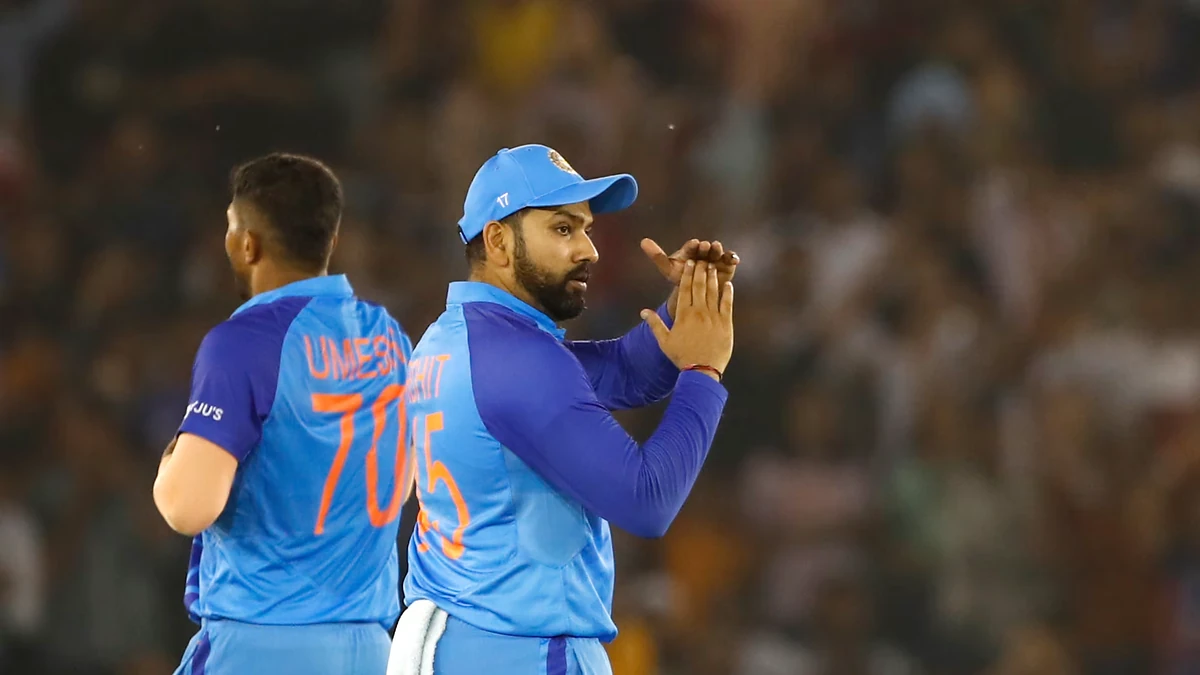
A player review starts with a request, not an automatic replay. The dismissed batter can challenge an out decision; the fielding captain can challenge a not-out decision. Under standard ICC rules, the request must be made with a T signal within 15 seconds of the ball becoming dead.
The third umpire checks the relevant evidence, including whether the delivery was legal. For an LBW review, that can mean checking for bat contact before moving to ball tracking. For a caught-behind decision, edge detection and replays help establish whether the batter touched the ball.
After examining the evidence, the third umpire advises the on-field umpire, who signals the result. DRS assists the officials; the television graphic does not make the decision by itself.
What Does Ball Tracking Show in DRS?
Ball tracking measures the delivery’s path and projects where it would have travelled after hitting the batter. In an LBW review, the display shows where the ball pitched, where it struck the batter and whether it would have hit the wicket.
Those findings must still satisfy the LBW rules. A ball predicted to hit the stumps is not automatically out if another requirement fails. Ball tracking also differs from an ordinary replay: its projected path shows what would have happened without the interception.
How Does UltraEdge Work in Cricket?
UltraEdge is sound-based edge detection. It pairs audio with video so the third umpire can assess possible contact between the ball and bat. A spike is examined alongside the replay to establish what caused the sound.
A spike alone is not enough to understand the incident. Its timing and the bat’s position matter, especially when bat, pad and ball are close together. Hawk-Eye’s officiating technology combines synchronised video and audio with cricket tracking and edge detection.
What Is Umpire’s Call in DRS?
Umpire’s Call is an LBW category for marginal impact or wicket-hitting results. If the review depends on that marginal finding, the original decision stands. It does not mean the umpire ignores the technology.
When an LBW decision remains unchanged solely because of Umpire’s Call, the reviewing team keeps its review. A separate, clear reason for not out can still overturn an out decision.
How Many DRS Reviews Does a Team Get?
Under the standard ICC men’s playing conditions, each team can make three unsuccessful reviews per innings in Test cricket and two in ODIs or T20Is. Successful reviews do not use up that allowance.
These are limits on unsuccessful reviews, not every request. Check the ICC playing conditions for the match concerned. Domestic competitions can have different provisions, just as T20 and T20I cricket are not interchangeable labels.
DRS Explained With One Simple Example
Imagine a fictional ODI in which a batter misses a defensive shot and is given out LBW. The batter requests a review within the time limit. The third umpire confirms a legal delivery, and UltraEdge and the replay show no bat contact.
Ball tracking shows the ball pitched in line and struck the pad in line, but reports Umpire’s Call on the wicket because the predicted path only clips it marginally. The original out decision stands, so the batter must leave. However, the batting team keeps its review because the decision remains unchanged solely on Umpire’s Call.
FAQs About DRS in Cricket
These short answers explain DRS in cricket, including player reviews, third-umpire referrals and the role of UltraEdge.
1. Is every third-umpire referral a player review?
No. An umpire can refer a decision for a check without a player requesting it. An umpire-initiated referral does not spend a team’s player-review allowance.
2. Are DRS and UltraEdge the same thing?
No. DRS is the overall review system. UltraEdge is one tool that can help the third umpire assess possible bat contact.
3. Does Umpire’s Call always mean not out?
No. When it is the deciding factor in an LBW review, Umpire’s Call preserves the original decision, whether that was out or not out.