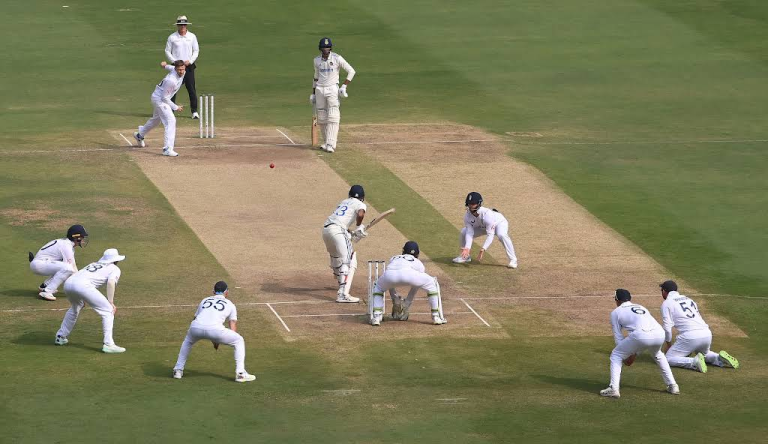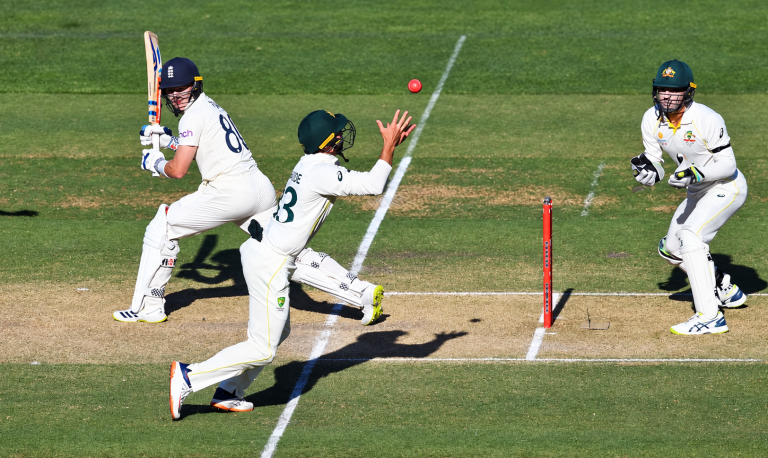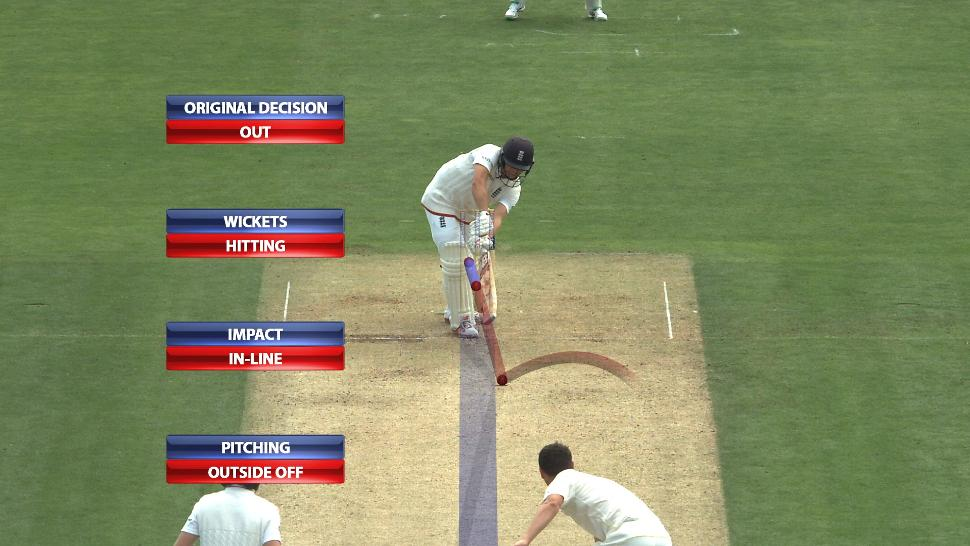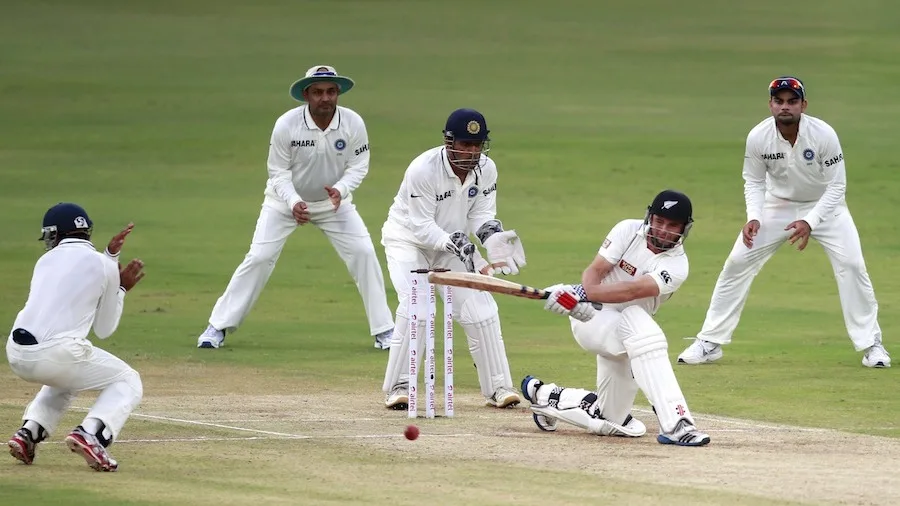
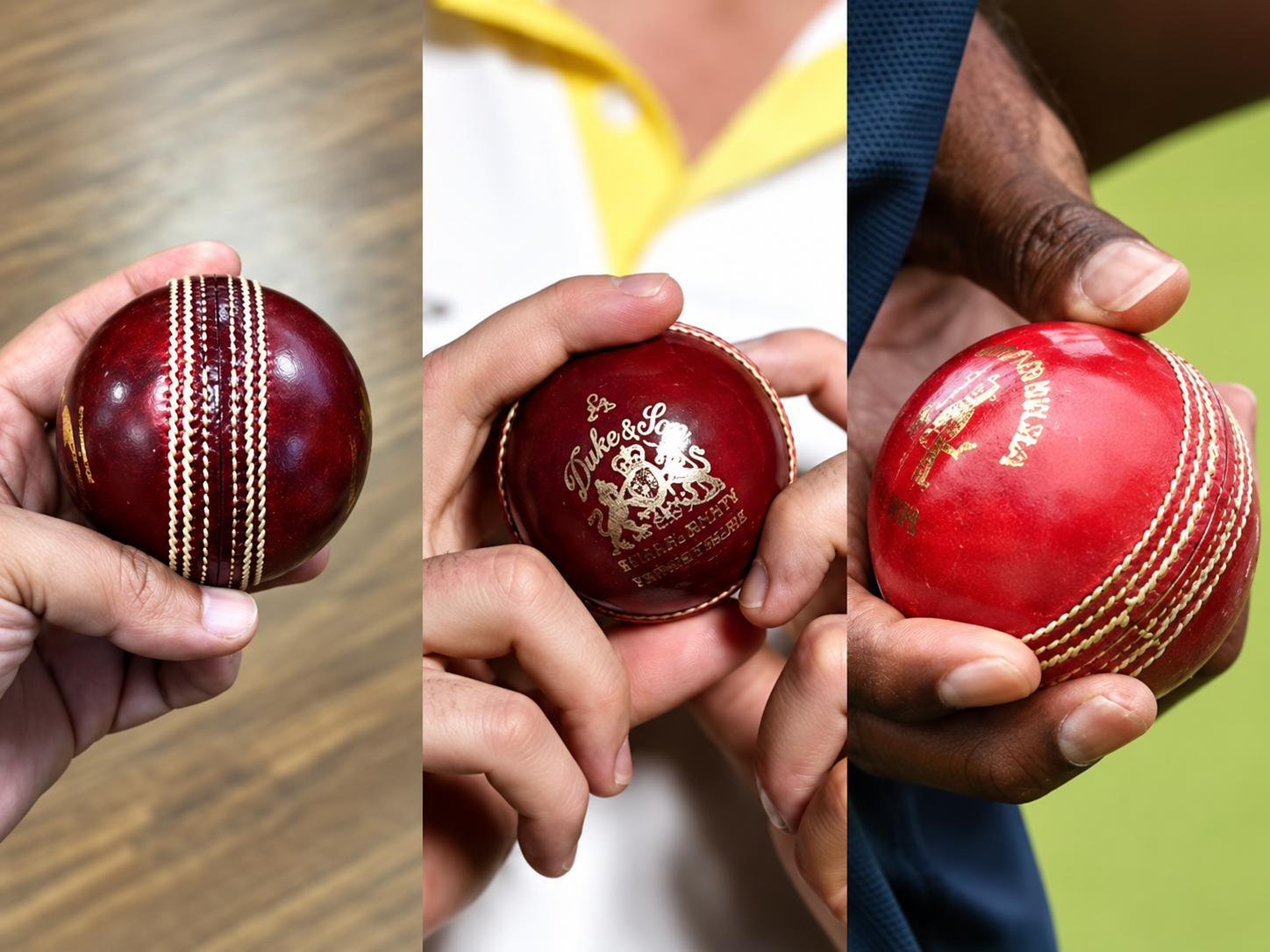
Photo credit: Getty Images, via Times of India. AI-enhanced.
Dukes, Kookaburra and SG cricket balls differ in their construction, seam profile, leather finish and the way they wear during play. Dukes is an English brand, Kookaburra is Australian, and SG is Indian. These differences can influence grip, swing and seam movement, but the ball’s model, condition, pitch and bowling technique also matter.
A Dukes vs Kookaburra vs SG comparison helps explain why bowlers adjust when playing in different countries. This guide focuses on established red-ball characteristics; a brand name alone does not describe every ball it produces.
Dukes vs Kookaburra vs SG: Quick Comparison
| Brand | Common red-ball association | What to notice |
|---|---|---|
| Dukes | Test cricket in England; also associated with West Indies and Ireland | Hand-stitched construction and surface finishes tailored for different destinations |
| Kookaburra | Test cricket in Australia, New Zealand and several other countries | Turf model, seam profile and changing condition during play |
| SG | Test cricket in India | Four-piece leather construction and a prominent seam associated with its red match balls |
These are common associations, not a guarantee for every fixture. Kookaburra describes its international use on its official ball-making page. The approved brand and model depend on the competition and its playing conditions.
What Makes a Dukes Cricket Ball Different?
Dukes is known for hand-stitched construction and a seam that gives bowlers a clear feature to work with. Its production guide explains how the leather quarters and main seam are stitched by hand.
Dukes’ manufacturer FAQ says its balls use different surface finishes for different destinations. That means the Dukes ball used in one country need not have precisely the same finish as another.
The brand is often associated with sustained conventional swing. Treat that as a tendency rather than a promise: a ball that loses its condition, a different batch or a bowler with poor seam control can produce a different result.
What Makes a Kookaburra Cricket Ball Different?
Kookaburra’s Turf ball is a major international match ball, and its behaviour changes as its seam and surface wear. Bowlers often discuss how it compares with Dukes after the early overs.
There is an important correction to a common online claim: Kookaburra says the Turf cricket ball is still hand-stitched at its Australian headquarters. Describing every Kookaburra ball as machine-stitched is therefore misleading. Compare the actual model rather than repeating a general label.
In a 2023 ECB review of county trials, players reported noticeable differences in swing and hardness between Kookaburra and Dukes. Those observations came from particular matches; they do not establish a fixed over at which every Kookaburra stops swinging.
What Makes an SG Cricket Ball Different?
SG is closely associated with red-ball cricket in India, and its prominent seam is a familiar feature for bowlers. SG stands for Sanspareils Greenlands.
The manufacturer describes its SG Test Red ball as a four-piece ball using alum-tanned leather with a resilient cork core. Four-piece refers to the leather cover construction, not four separate balls joined together.
A noticeable seam can help a bowler grip and release the ball consistently. It does not make the ball spin automatically. The bowler’s action and the surface it lands on remain essential, and durability should be judged from the specific ball rather than assumed from the logo.
Why Do Seams and Surface Finish Matter?
The seam affects airflow and can influence deviation when the ball lands; surface condition also changes how air moves around it. These are different mechanisms.
Research on cricket-ball aerodynamics explains the roles of seam orientation, speed and surface roughness in swing. Our swing vs seam bowling guide explains the difference between movement through the air and movement off the pitch.
That is why two bowlers can get different results with the same ball. A brand comparison is useful context, but it cannot predict each delivery.
Does One Cricket Ball Always Swing More?
No. There is no reliable rule that one brand must swing more in every match. Model, wear, seam presentation and bowling speed can all change the outcome.
Avoid claims such as “Dukes swings for exactly 50 overs” or “Kookaburra stops swinging after 15 overs.” An observation in one innings is not a universal timetable. Nor does hand stitching alone guarantee better movement in every setting.
A Simple Match Example
Imagine the same fast bowler preparing for matches in England, Australia and India. The bowler first checks the approved ball and practises with that model, then assesses how it feels and behaves.
With a clearly defined seam, the bowler might focus on presenting it upright. If conventional swing fades, the bowler may adjust line, length or release rather than expecting the brand to do the work. This is an illustrative coaching scenario, not a claim that a particular country always produces one type of movement.
The pitch changes the comparison too. See our guide to how pitch types affect a cricket match.
Are Brand and Ball Colour the Same Thing?
No. Dukes, Kookaburra and SG are manufacturers; red, white and pink describe ball colours. Compare equivalent models and colours when discussing how balls behave.
A white limited-overs ball and a red Test ball can differ in finish and usage even when the same company makes both. This article compares brands, rather than treating colour as a brand characteristic.
FAQs About Dukes vs Kookaburra vs SG Cricket Balls
These short answers explain the difference between cricket balls, common match use and the seam features fans often hear about.
1. What is the main difference between Dukes, Kookaburra and SG?
The key differences are construction, seam profile, finish and wear. Those features can influence grip and movement, while the exact model and playing conditions determine how a ball behaves.
2. Which cricket ball is used in Test matches in India?
SG is the established red-ball brand associated with Test matches in India. Check the fixture’s playing conditions for the approved ball; this is not a claim about every colour or tournament.
3. Are Kookaburra cricket balls machine-stitched?
That blanket description is inaccurate. Kookaburra’s own account says its Turf ball is hand-stitched. Specifications should be checked for the particular product.
4. Does a Dukes ball always swing more than an SG or Kookaburra?
No. Dukes is often associated with longer-lasting conventional swing, but seam orientation, speed, surface condition and the model matter. A brand cannot guarantee swing on every delivery.
5. Is SG only useful for spin bowling?
No. A seam is useful to different bowlers, and SG balls are used in matches featuring both pace and spin. The bowler and pitch help determine the movement.
6. Is there one best cricket ball for every match?
No single brand is best in every setting. For organised cricket, use the ball approved by the competition. For comparisons, keep the model, colour, age and conditions as similar as possible.