Image credit The Indian Express
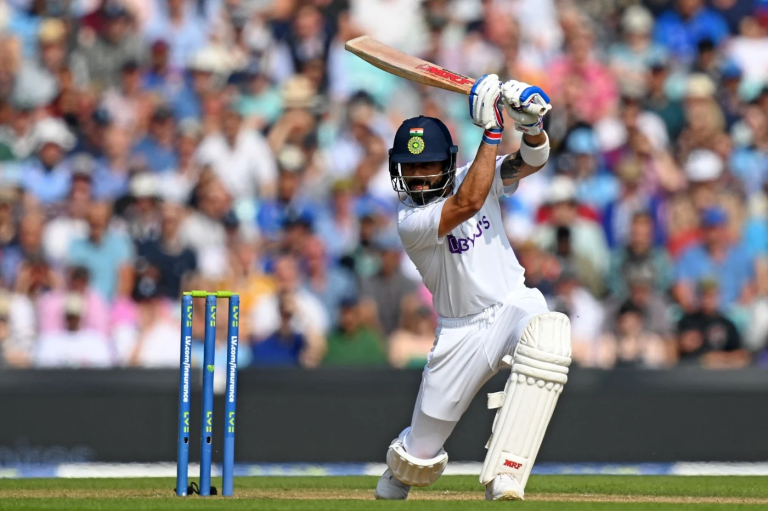
Good cricket shot selection means choosing a response that suits the delivery, the field and the match situation. Line, length, bounce and your own control determine whether to defend, leave, work the ball for runs or attack a boundary.
A shot that produces four can still be a poor decision if it relied on a mis-hit clearing a fielder. A sound decision can also end in dismissal against an excellent ball. Review how well the stroke matched the information available rather than judging every choice by the score alone.
Read line, length and bounce together
Line describes the ball’s path relative to the stumps and batter. Length influences whether you can move forward, back or stay relatively still. Bounce determines the height at which you can make controlled contact. Our guide to cricket bowling lengths explains the starting distinctions.
A full ball within reach may invite a drive. A shorter, wider ball may offer a cut. A short delivery close to the body may leave you cramped for either shot. These are possible responses, and their suitability changes with pace, movement and the batter’s skills.
Keep alternatives available until the delivery gives you a reason to commit. Deciding on a cover drive because the last ball was a dot can leave you reaching at a ball that should have been defended or left.
Match your scoring options to the field
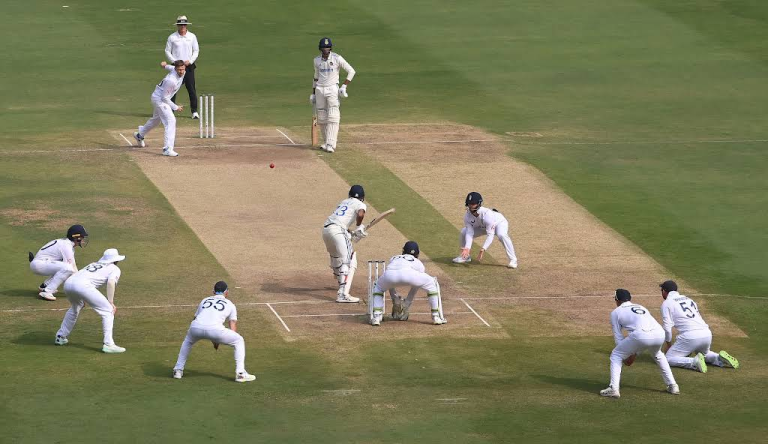
Before the delivery, identify where a controlled stroke might produce a run. An open area behind point may reward a deflection, while a straighter gap may favour a push. Review the main fielding positions if those names are unfamiliar.
The field can also advertise a trap. A deep square leg may be waiting for the pull, or a close catcher may be positioned for a ball that bounces. Recognising the plan helps you decide which ball you are willing to attack and which response offers better control.
KS Bharat has discussed the importance of shot selection and trusting defence on turning surfaces. His comments illustrate why positive intent still requires a suitable stroke. Read Bharat on batting decisions against spin.
Adjust risk to the innings situation
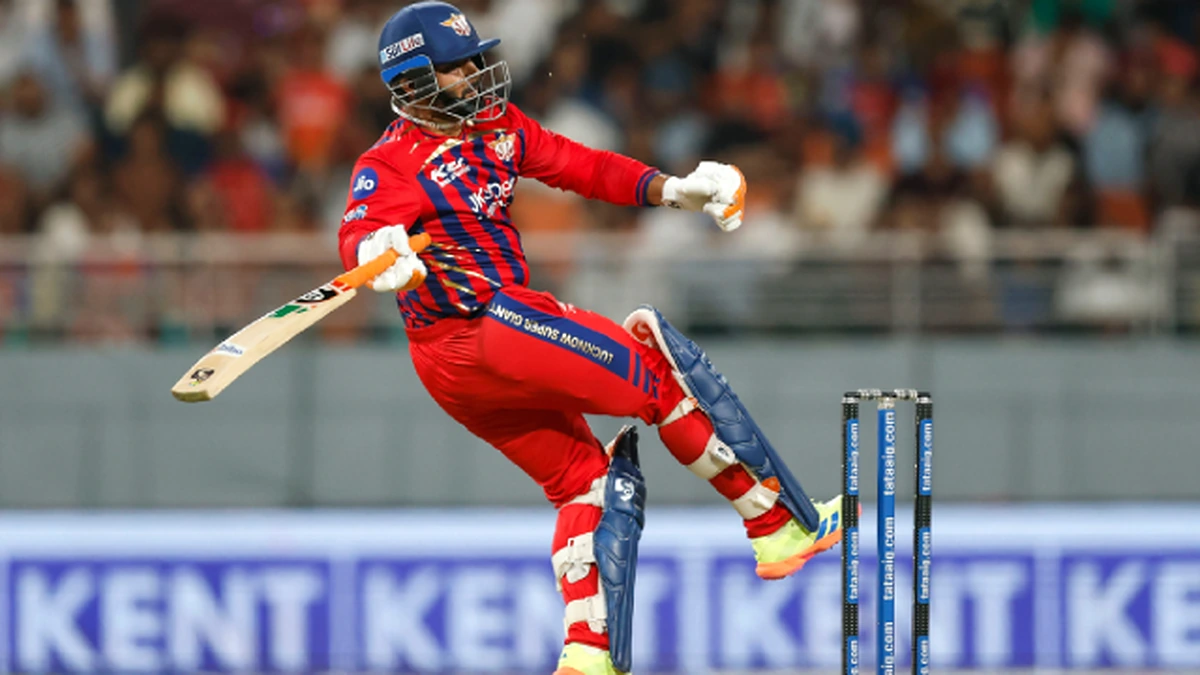
Imagine a T20 chase needing 24 from 24 balls with seven wickets available. Controlled singles and a well-chosen boundary may keep it manageable. If the requirement becomes 24 from 12, the batting side needs a higher scoring rate and may accept a greater chance of dismissal.
Use the equation to guide your plan, then apply it to the ball in front of you. Our explanation of required and current run rate shows how that pressure changes. A predetermined slog still has to account for length and the protected boundary.
In a longer innings, defending a good spell can create opportunities when the bowler tires or the line changes. Equally, passing up every scoring ball can let the field crowd in. The choice involves balancing the opportunity against the wicket risk and the team’s needs.
Practise a decision before practising the finish
Set up three soft-ball targets representing defence, a single and a boundary area. Ask a partner to vary line and length. For each ball, choose a response and explain afterwards why you selected it. Move a target or change the target score between sets.
Review three questions. Did you read the delivery accurately? Did the shot fit the field? Could you execute it from a balanced position? Video can help separate a late decision from a movement problem. Lord’s offers personalised feedback on uploaded cricket videos. See how Lord’s digital coaching works.
Read next
Batting footwork · Reading bowling lengths · Reading the field
Cricket shot selection FAQs
These answers explain how to choose batting shots, assess risk and practise decision-making against different deliveries.
1. What should I judge first when selecting a shot?
Watch the release and assess line and length, then keep updating for movement and bounce. Those clues work together.
2. Is an attacking shot always a risky shot?
Risk depends on the ball, field and your ability to execute it. A controlled attack on a loose ball may suit the situation well.
3. Can a leave be good shot selection?
Yes. Leaving a delivery that safely misses the stumps can preserve your wicket and avoid offering an edge, particularly in a longer innings.
4. Why do I choose poor shots after dot balls?
Scoreboard pressure can encourage you to commit before seeing the delivery. Reset your plan and look for a scoring option you can control.
5. How do I practise better shot selection?
Use mixed feeds, changing fields and simple match targets. Review the decision and execution separately after each short set.