Image credit cricinfo
To play swing bowling, judge the ball’s line as it travels, protect your stumps and avoid reaching for deliveries outside your comfortable range. Balanced movement and controlled contact close to the body can help you respond when the ball changes direction.
Swing makes a batter update a decision after release. A ball that begins outside off stump can come back towards the pads. Another can curve away and draw the hands after it. Learning to recognise that difference is as important as developing an attractive drive.
Understand the movement you are facing
Swing is movement through the air. Seam movement happens after the ball pitches. A delivery can do both, which is why the starting line alone cannot tell you where it will finish. Our explanation of swing versus seam bowling separates the two.
Watch the bowler’s hand and the ball’s early path, then keep tracking it. Seam position may offer a clue, but visibility, release variations and the batter’s viewing angle limit what can be read. Expecting every delivery to behave identically can leave you vulnerable to the straighter one.
Reverse swing adds another challenge because the movement can differ from what the batter expects from conventional swing. The underlying distinction is covered in our guide to reverse swing.
Playing outswing without following the ball
Against a ball moving away, identify whether it threatens your stumps. A delivery you can safely leave in a longer innings may invite unnecessary risk if you push the bat after it. Keep your hands within a range where your body can support the shot.
When you do defend, allow the ball to arrive rather than forcing the hands far ahead. A relaxed, controlled grip can reduce how firmly an edge carries. It cannot remove the chance of dismissal, but it can improve control. Cricket Australia’s coverage of batting with the Dukes ball discusses patience and soft hands. Read the Dukes-ball batting discussion.
For example, imagine facing a good-length ball just outside off stump with slips waiting. A cover drive chosen before release creates a problem if it swings farther away. A later decision leaves defence or a leave available.
Playing inswing and protecting the stumps
Inswing requires attention to the gap between bat and pad. Move towards the ball’s likely line without letting the front leg block the bat’s route. Bring the bat down under control and aim to meet the delivery with the bat when it threatens the stumps.
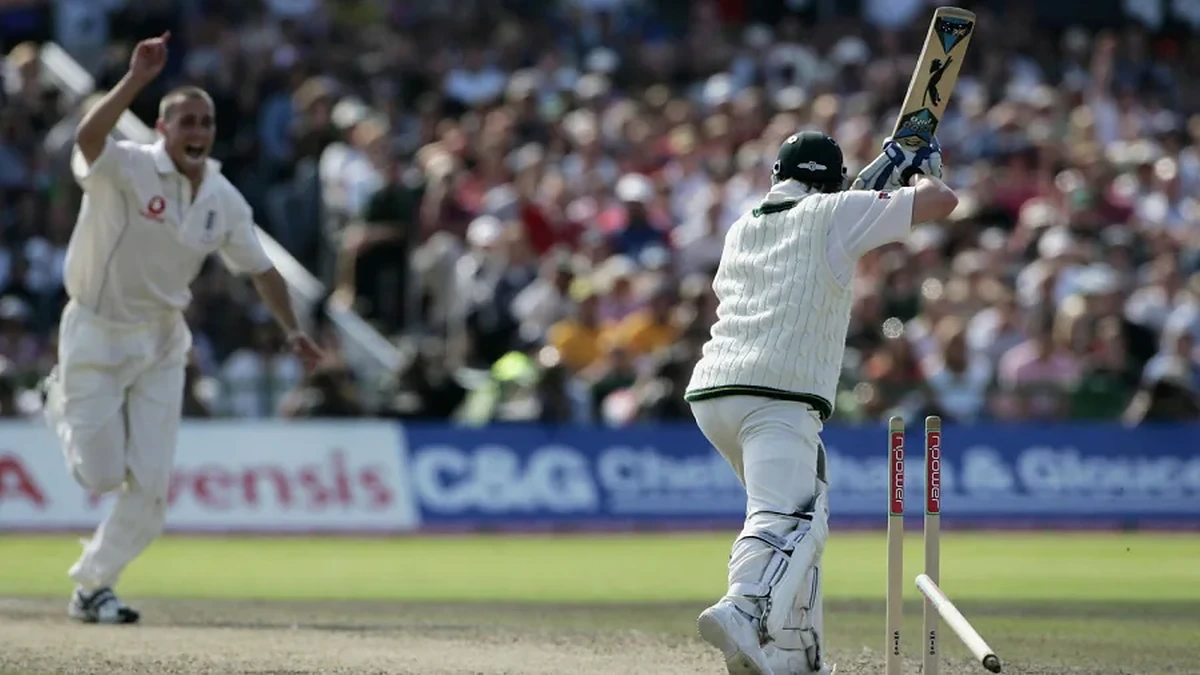
A batter who assumes everything will swing away may leave an incoming ball that hits off stump. A batter who plants the front foot too far across may become vulnerable to LBW. Our LBW guide explains the conditions behind that decision.
The scoring option still depends on length. A genuinely full ball within reach may be driven, while a ball on a less comfortable length may be defended. Trying to flick every incoming delivery across the line can expose the pads and stumps.
Practise decisions as well as contact
Use a soft ball and controlled feeds that vary the line. Before the session, mark a rough off-stump reference. Practise deciding whether to leave or play, then review whether the contact happened close enough for your head and hands to remain organised.
Start with predictable movement, then mix straighter deliveries into the set. A useful session tests whether your plan can change. Chris Rogers has described preparing young batters for swing as part of a broader focus on batting fundamentals. Read Rogers on developing those fundamentals.
How to play swing bowling FAQs
These questions cover batting against swing bowling, including leaving the ball, playing late and dealing with movement towards the pads.
1. What does playing late mean?
It means allowing the ball closer before contact so you can make a better adjustment. The contact point still depends on the delivery and chosen stroke.
2. Should I leave every ball outside off stump?
No. Some will move back towards the stumps. Judge the full path and use your knowledge of off stump.
3. What are soft hands?
Soft hands describe a relaxed, controlled grip at contact. The bat should remain secure while avoiding an unnecessarily rigid push.
4. Can a swinging ball also seam?
Yes. It can move through the air and change direction again after pitching, increasing the need for balanced reactions.
5. Should beginners attack swing bowling immediately?
Begin with controlled feeds and practise judging line and length. Add scoring shots as you become more comfortable recognising movement.