Why Do Teams Bowl First? Toss Decisions Explained
Why do teams bowl first in cricket? Understand how dew, pitch conditions, chasing targets and team strengths shape a captain’s toss decision.

Your blog category

Why do teams bowl first in cricket? Understand how dew, pitch conditions, chasing targets and team strengths shape a captain’s toss decision.

Compare concussion substitutes, substitute fielders and IPL Impact Players: who can bat or bowl, who approves the change and whether players can return.

Retired hurt vs retired out explained: learn how each affects wickets, a batter’s return and the scorecard, with simple cricket examples.
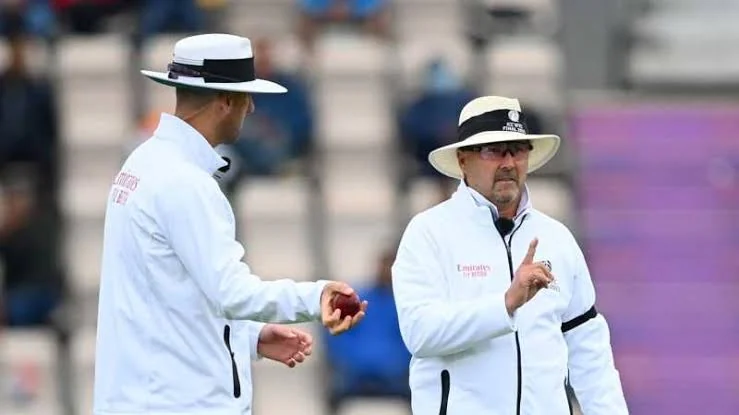
Umpire’s Call in cricket explained: why an LBW decision can stay unchanged while a review is retained, with examples and common DRS misconceptions.
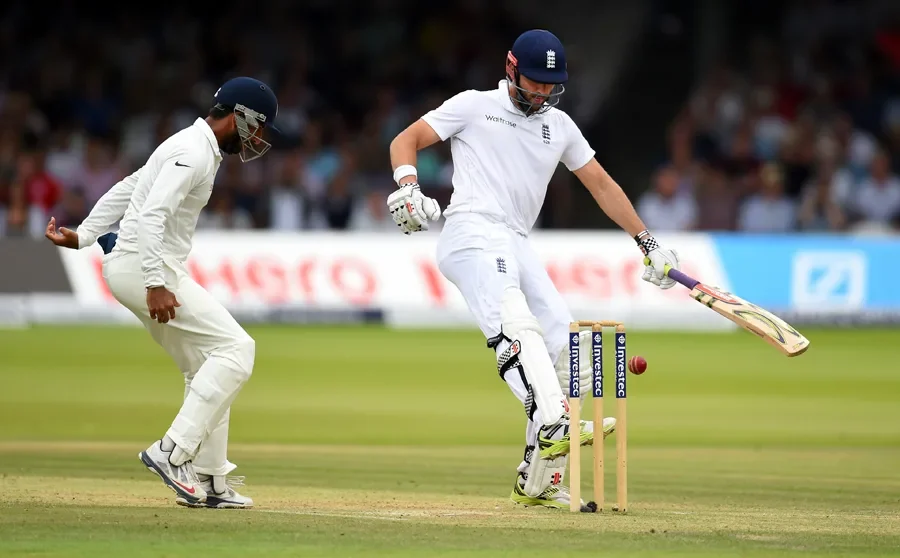
What is a nightwatchman in Test cricket? Learn why teams promote a lower-order batter, the risks, and what happens after surviving until stumps.
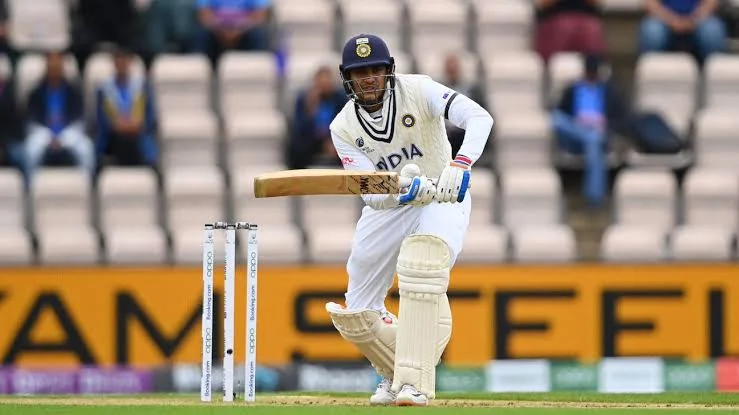
Taking guard in cricket explained: middle, leg and off-stump references, how batters use the mark, and why guard differs from stance.
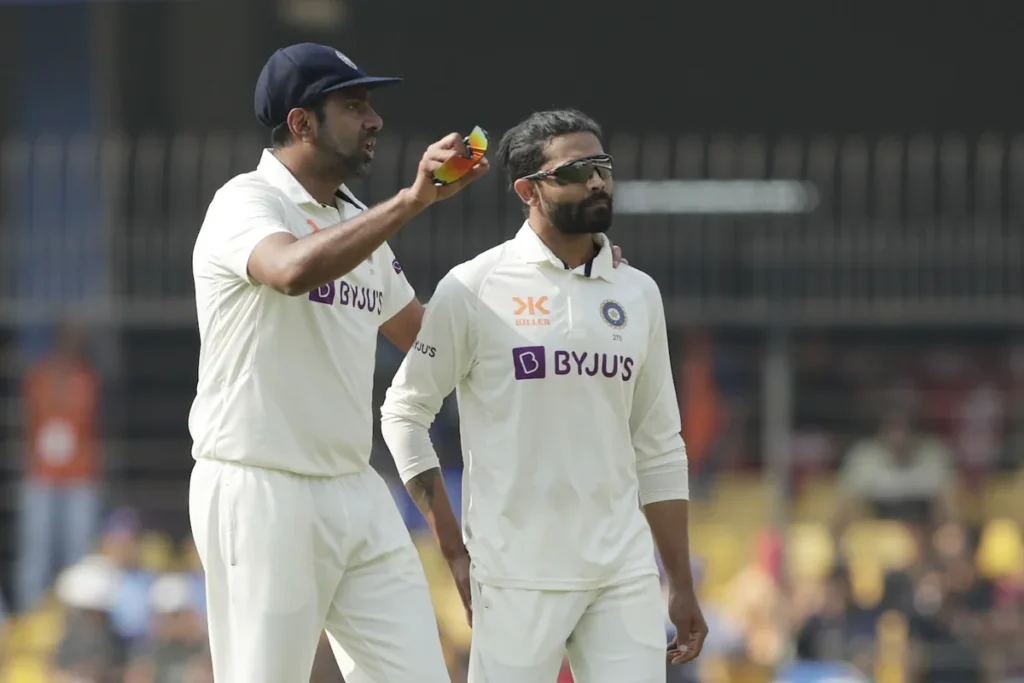
Round the wicket vs over the wicket explained: how bowling angles change, why bowlers switch sides, and the rules for telling the umpire.
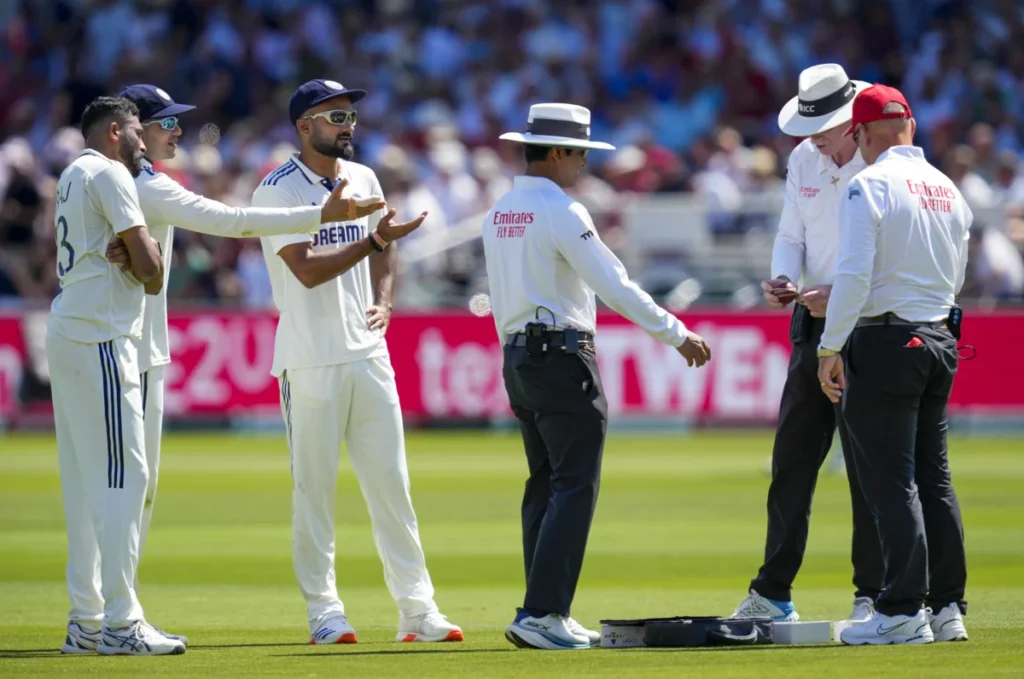
Why teams take a new ball in Test cricket: the 80-over rule, swing and seam benefits, reasons to wait, and how replacement balls differ.
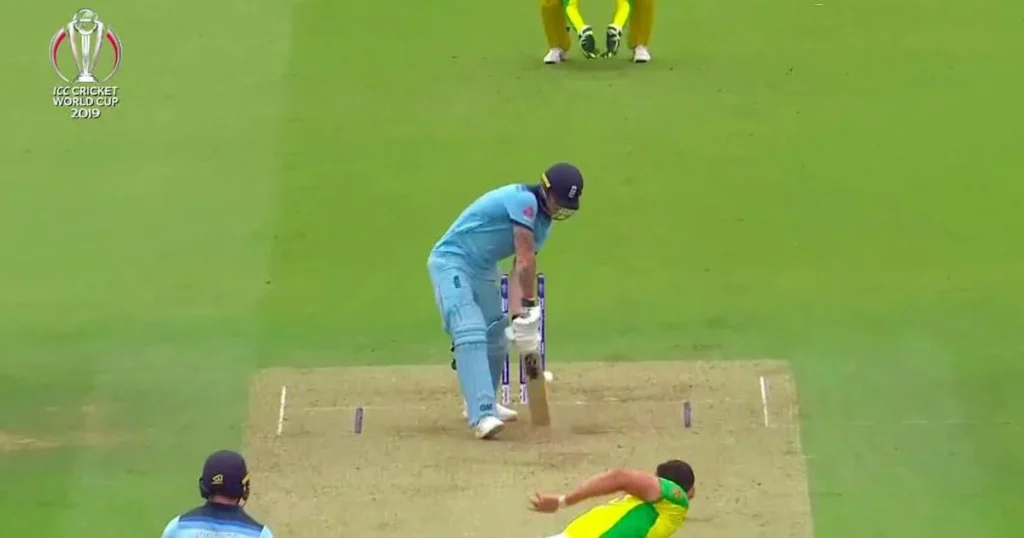
Bowling lengths in cricket explained: compare yorkers, bouncers and good-length balls, learn when bowlers use them, and avoid common misconceptions.
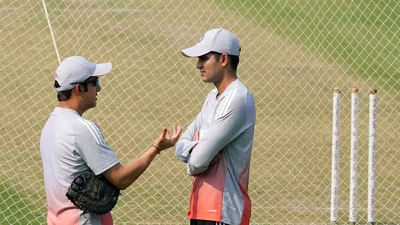
Learn what grass, moisture, cracks and hardness can tell you about a cricket pitch, and how to use those clues before the toss.