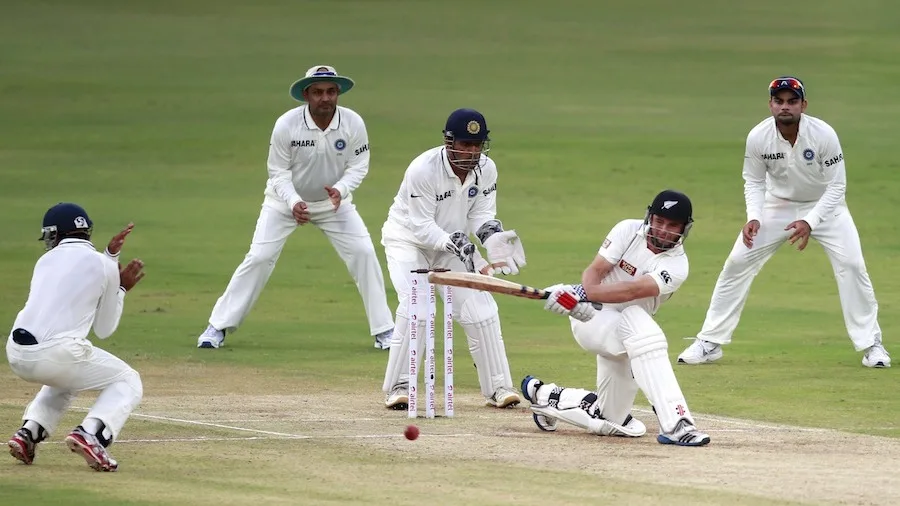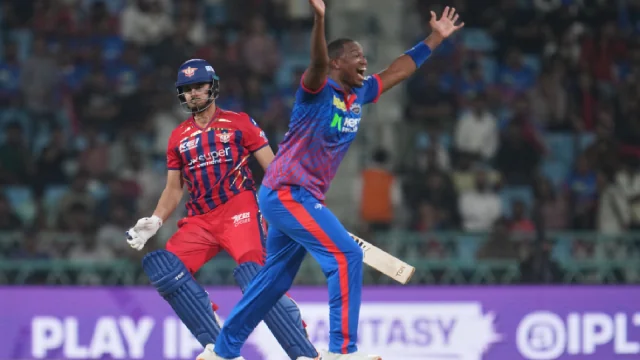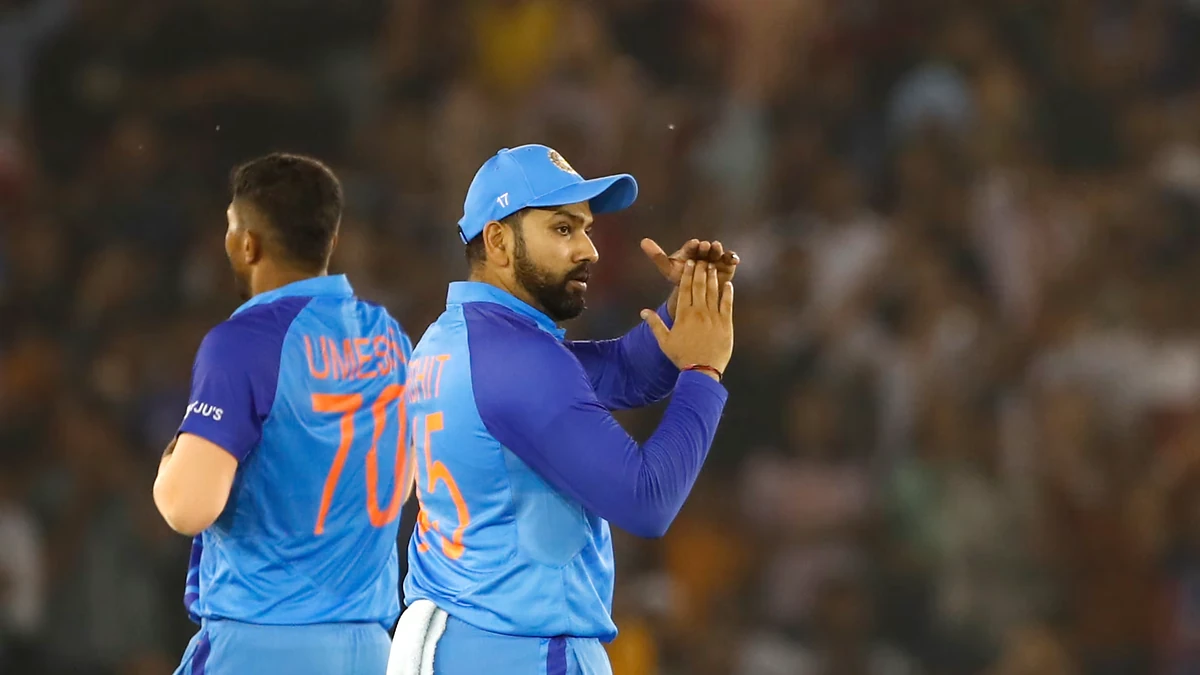
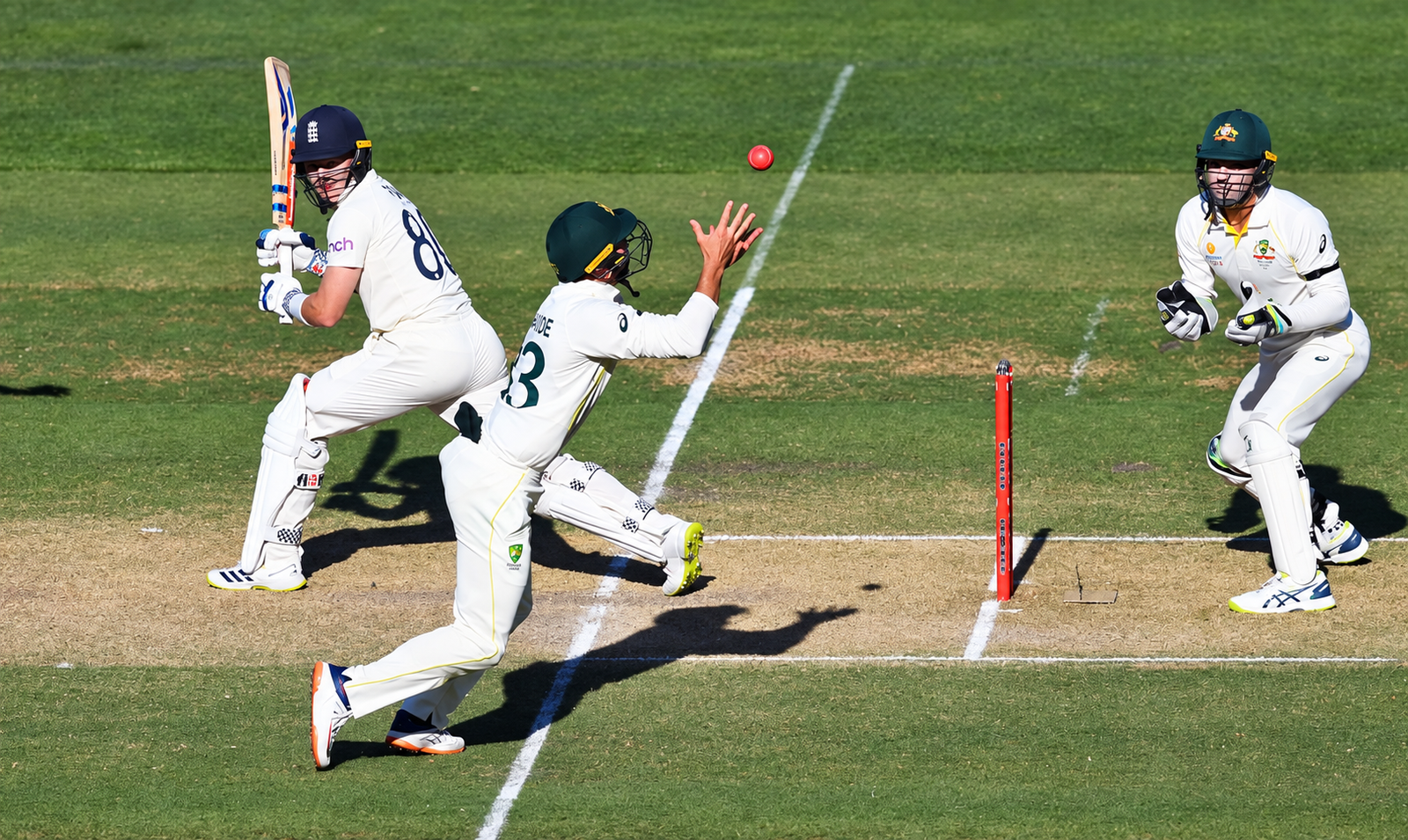
The types of dismissals in cricket include bowled, caught, LBW, run out, stumped, hit wicket, hit the ball twice, obstructing the field and timed out. Retired out is also an out entry on a scorecard, governed separately by the retirement law. Handled the ball is no longer a separate dismissal.
A wicket falls, the fielding side celebrates, and the scoreboard changes. But the same result can come from very different events. Sometimes the bowler beats the bat. Sometimes a fielder wins a race against a running batter. Understanding the difference makes the next replay easier to follow.
Types of Dismissals in Cricket: The Main Ways to Get Out
The MCC places nine named dismissal laws in Laws 32–40. Retirement is addressed in Law 25. That is why guides may describe nine dismissal laws or ten ways a batter can finish out when retired out is included. The explanations below follow the MCC Laws of Cricket.
1. Bowled
Bowled means a fair delivery breaks the striker’s wicket. The ball may first touch the bat or body. For example, an inside edge can hit the stumps and still result in bowled. A no-ball cannot produce this dismissal.
2. Caught
Caught applies when a fair delivery touches the bat, or a glove holding it, and a fielder completes a fair catch before the ball reaches the ground. An edge to the wicketkeeper is caught behind; a return catch to the bowler is caught and bowled. Both belong to the same dismissal category.
3. Leg Before Wicket (LBW)
LBW can apply when the body intercepts a delivery that would hit the wicket, provided the other conditions are satisfied. Pitching, impact and whether a shot was attempted matter. Hitting the pad alone is not enough. Our LBW guide explains those checks.
4. Run Out
Run out generally occurs when a fielder fairly breaks a wicket while the relevant batter is outside their ground and the ball is live. A direct hit during a quick single is a familiar example. There are exceptions in the law, so being outside the crease does not automatically mean out.
5. Stumped
Stumped applies when the wicketkeeper alone fairly breaks the striker’s wicket while the striker is outside their ground and is not attempting a run. It cannot occur from a no-ball, but it can occur from a wide. Moving down the pitch to a spinner and missing is a typical example.
6. Hit Wicket
Hit wicket applies in specified circumstances when the striker breaks their own wicket with the bat or person while receiving the delivery or setting off for the first run. Knocking off a bail during a shot can qualify. Every accidental contact with the stumps does not.
7. Hit the Ball Twice
A deliberate second strike can cause this dismissal. However, a lawful second strike solely to protect the wicket is permitted, subject to the law’s restrictions. An accidental double contact is not the same as intentionally striking the ball again.
8. Obstructing the Field
Wilfully obstructing or distracting the fielding side can result in this dismissal. Accidental interference and actions to avoid injury are treated differently. Returning a live ball without a fielder’s consent can also qualify. The former handled-the-ball category is now covered here.
9. Timed Out
An incoming batter can be timed out for failing to meet the readiness deadline after a wicket or retirement. MCC Law 40 specifies three minutes; competition playing conditions can set a different period. Check the match’s regulations rather than assuming one deadline applies everywhere.
10. Retired Out
Retired out concerns a batter who retires for a reason other than illness, injury or another unavoidable cause and does not resume the innings as permitted. Retired hurt is different: it does not automatically count as a dismissal. Retirement entries are explained in MCC Law 25.
Which Dismissals Count as a Bowler’s Wicket?
Bowled, caught, LBW, stumped and hit wicket are credited to the bowler. Run out and the other out categories are not. This distinction helps explain why a team’s wickets lost can exceed the wickets credited to its bowlers.
Cricket Dismissal Rules on No-Balls
From a no-ball, the delivery-related dismissals that remain available are run out, obstructing the field and hit the ball twice. A catch or broken stumps alone cannot make the batter out. For scoring context, read our DRS guide alongside the dismissal law.
Types of Dismissals in Cricket FAQs
These quick answers explain common questions about ways to get out in cricket, bowler credit and retirement.
1. How many types of dismissals are there in cricket?
There are nine named dismissal laws from Law 32 to Law 40. Including retired out under the retirement law gives ten commonly listed out categories.
2. Is handled the ball still a separate dismissal?
No. It was incorporated into obstructing the field in the 2017 Laws revision.
3. Can a batter be stumped from a wide?
Yes, if the stumping conditions are met. A no-ball prevents stumping.
4. Does a run out count as a bowler’s wicket?
No. It increases the team’s wickets lost but is not added to the bowler’s wicket tally.
5. Is retired hurt the same as retired out?
No. A batter who retires because of injury or illness is normally recorded as retired not out and can resume subject to the applicable rules.