Cricket extras are runs added to the team total without being credited to an individual batter. They include no-balls, wides, byes, leg byes and penalty runs. No-balls and wides also require another delivery because they do not count among an over’s six valid balls.
A ball passes the bat, the wicketkeeper misses it, and the batters run. The team’s score rises, but the striker’s score stays the same. Was that a bye, a wide or something else?
The answer depends on the umpire’s call and what the ball touched. This guide explains the main extras in cricket using simple scoring examples. Competition-specific playing conditions can change details, particularly wide interpretation and free hits.
Cricket Extras: A Quick Comparison
| Extra | When it applies | Runs awarded | Does the delivery count in the over? |
|---|---|---|---|
| No-ball | A delivery or fielding arrangement breaches a relevant rule | One penalty run, plus any other runs scored | No |
| Wide | A delivery is judged outside the striker’s reach under the applicable conditions | One penalty run, plus runs completed or a boundary | No |
| Bye | A non-wide ball passes without touching the striker’s bat or body | Runs completed or a boundary | Yes, unless it is also a no-ball |
| Leg bye | A ball first hits the striker’s body and the leg-bye requirements are satisfied | Runs completed or a boundary | Yes, unless it is also a no-ball |
Penalty runs are another category, awarded for specified infringements. They are recorded separately from the four everyday categories above.
What Is a No-Ball in Cricket?
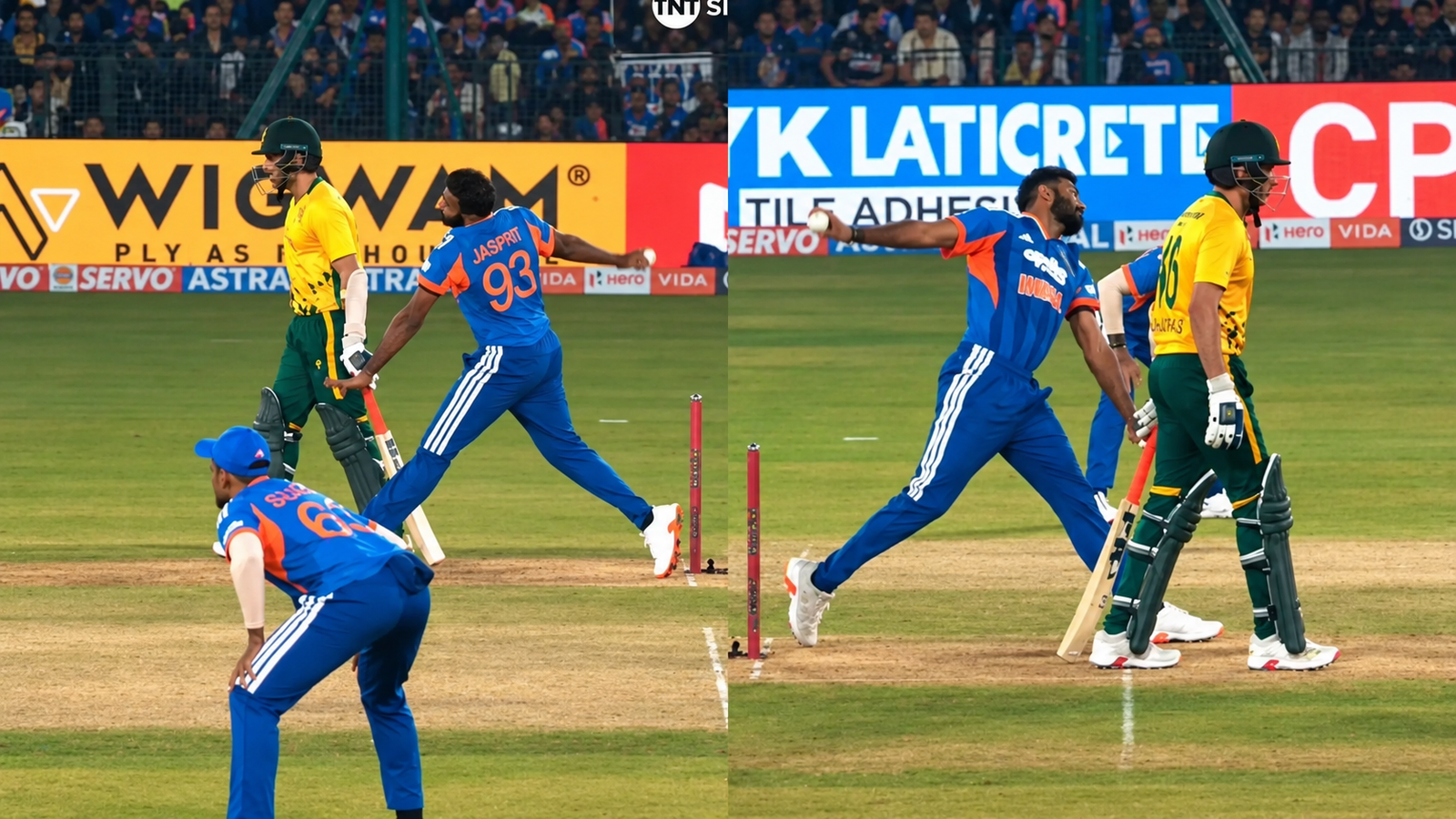
A no-ball is an unfair delivery called under the relevant rules. It adds one penalty run to the batting team’s score, and the delivery does not count in the over. The ball normally remains in play, so the batters can score further runs.
A familiar example is a front-foot infringement: at delivery, some part of the bowler’s front foot, whether grounded or raised, must be behind the popping crease. Foot placement is not the only reason for a no-ball; other delivery and fielding infringements can also cause the call.
Under MCC’s no-ball law, the one-run penalty is an extra. Runs from a shot struck with the bat are credited to the batter instead.
Example: a batter hits a no-ball for four. The team receives five runs: four to the batter and one no-ball extra. The bowler must still deliver another valid ball.
What Is a Wide in Cricket?
A wide is a delivery judged beyond the striker’s reach for a normal cricket stroke under the applicable conditions. It adds one penalty run and does not count in the over. Missing a ball alone does not make it a wide.
The striker’s position and movement matter. The precise interpretation can differ between formats and competitions; painted guide lines alone do not settle every decision.
Example: a wide passes the wicketkeeper and reaches the boundary without touching anyone. The team receives five wides: the one-run penalty plus the four-run boundary allowance. These are not four byes and one wide.
A no-ball overrides a wide, so the same delivery is not recorded as both. The scoring rules appear in MCC’s Laws of Cricket, Law 22.
No-Ball vs Wide: What Is the Difference?
No ball vs wide is a distinction between an unfair delivery and a delivery outside the striker’s permitted reach. Both add a penalty run and require another ball, but they differ in scoring, dismissal rules and free-hit consequences.
A batter can hit a no-ball and receive runs for the shot. A ball touching the striker’s bat or body as it passes cannot remain a wide.
On an ordinary wide, a batter can still be stumped. On a no-ball, stumping is not an available dismissal. Our LBW guide explains another distinction: LBW cannot apply to a no-ball.
What Are Byes in Cricket?
Byes are runs scored when a non-wide delivery passes the striker without touching the bat or body. The team receives the runs, but the batter does not.
Example: a valid ball passes the batter and escapes the wicketkeeper. The batters complete two runs. The score increases by two byes, and the delivery counts in the over.
Byes are not automatically a wicketkeeper’s error. A difficult bounce or deflection from the surface can make a delivery hard to collect.
What Are Leg Byes in Cricket?
Leg byes are runs following first contact with the striker’s body, provided the striker attempted to play the ball with the bat or tried to avoid being hit. Contact does not have to be with the leg.
Example: a batter attempts a defensive shot, misses, and the ball strikes the pad before rolling into a gap. If the batters complete one run and the conditions are met, the team receives one leg bye.
Deliberately allowing the ball to hit the body without either attempting a shot or avoiding contact does not qualify. The umpire applies the conditions in MCC Law 23 on byes and leg byes.
Can a No-Ball Also Produce Byes or Leg Byes?
Yes. A no-ball penalty can be recorded alongside byes or leg byes from the same delivery. The categories describe different parts of the scoring.
Suppose a no-ball passes the striker untouched and the batters complete two runs. The team receives three runs: one no-ball extra and two byes. If the ball first hits the body and the leg-bye conditions are satisfied, the two running runs are leg byes instead.
When Is There a Free Hit in Cricket?
Under ICC ODI and T20I playing conditions, the delivery after a no-ball is a free hit. An ordinary wide does not create a new free hit. Free hits are a playing-condition provision; they do not automatically apply in every form of cricket.
If the free-hit delivery is itself a no-ball or wide, the free hit carries over to the next delivery. On a free hit, the batter cannot be dismissed bowled, caught, LBW or stumped. Run out, obstructing the field and hit the ball twice remain possible under their relevant conditions.
The ICC Men’s T20 World Cup 2026 playing conditions, clause 21.19, set out the free-hit procedure. Our T20 vs T20I guide explains why competition labels matter when checking rules.
How Are Extras Shown on a Cricket Scorecard?
Scorecards normally separate extras as b, lb, w, nb and sometimes p: byes, leg byes, wides, no-balls and penalties. Their total is added to the runs credited to the batters.
Imagine the batters collectively score 160. The innings also contains two byes, three leg byes, four wides and one no-ball extra. Extras total 2 + 3 + 4 + 1 = 10, making the team total 170.
Wides and the no-ball penalty are charged to the bowler; byes and leg byes are not. Runs credited to the batter from a no-ball are also charged to the bowler. This is why the team total can differ from the combined runs conceded in the bowling figures.
FAQs About Cricket Extras, No-Balls, Wides, Byes and Leg Byes
These quick answers explain cricket extras, no ball vs wide, byes and leg byes, and the free hit in cricket. Use them to identify what belongs to the batter, the bowler and the extras column.
1. Do cricket extras count towards the batter’s score?
No. Extras increase the team total. Runs from a shot struck with the bat on a no-ball are credited to the batter separately from the no-ball penalty.
2. Do no-balls and wides count as balls in an over?
No. Neither counts among the over’s six valid deliveries, so the bowler must deliver another ball.
3. What is the difference between byes and leg byes?
A bye follows a ball passing without touching bat or body. A leg bye follows body contact and requires an attempted shot or an attempt to avoid being hit.
4. Is a wide that reaches the boundary four or five runs?
If an untouched wide reaches the boundary, it normally produces five wides: one penalty run plus the four-run boundary allowance.
5. Can a batter be run out on a no-ball or free hit?
Yes. A run-out dismissal remains possible. A no-ball or free hit does not make running between the wickets risk-free.
6. Does every wide give the batter a free hit?
No. An ordinary wide does not create a free hit. However, a wide bowled on an existing free hit carries that free hit forward.