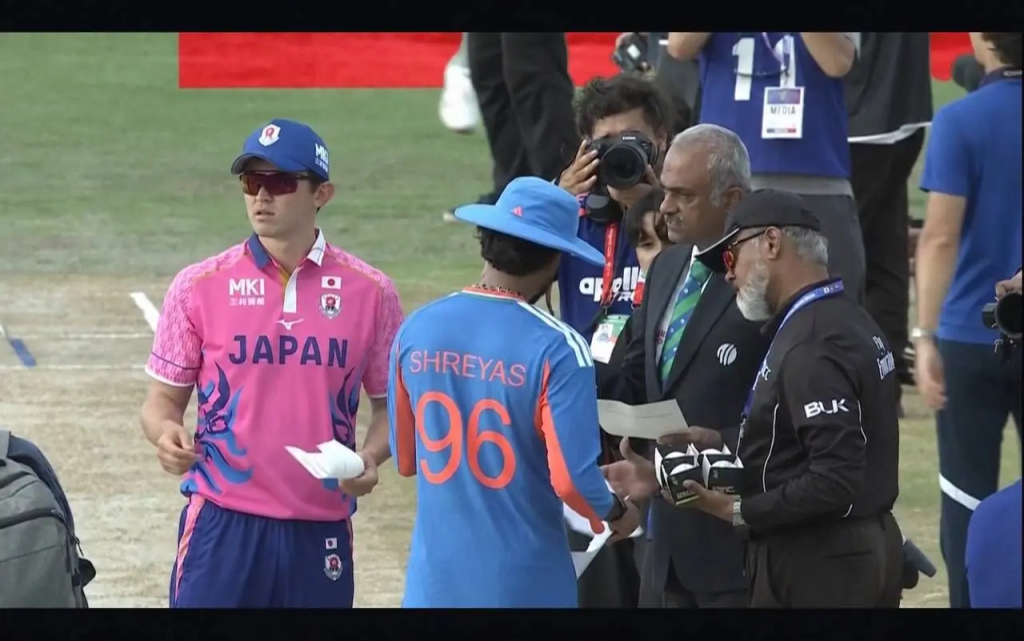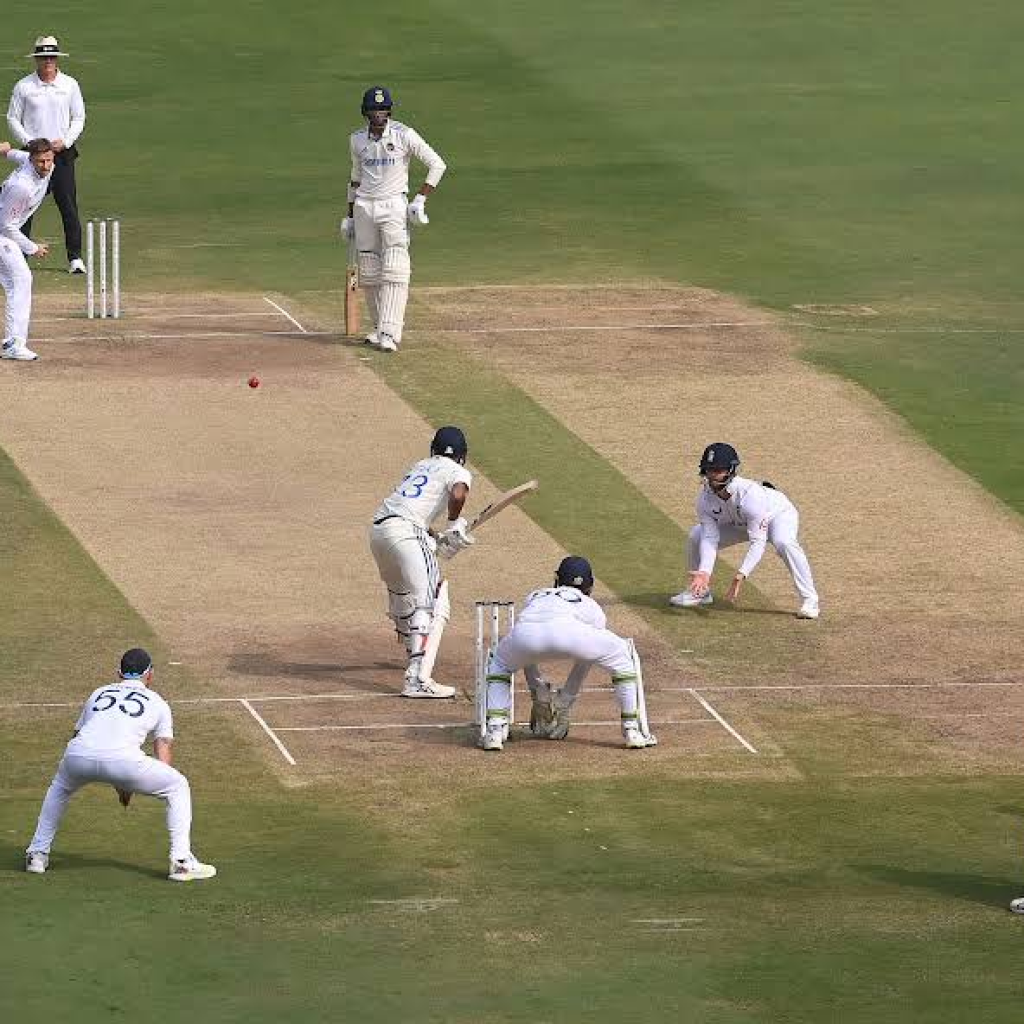
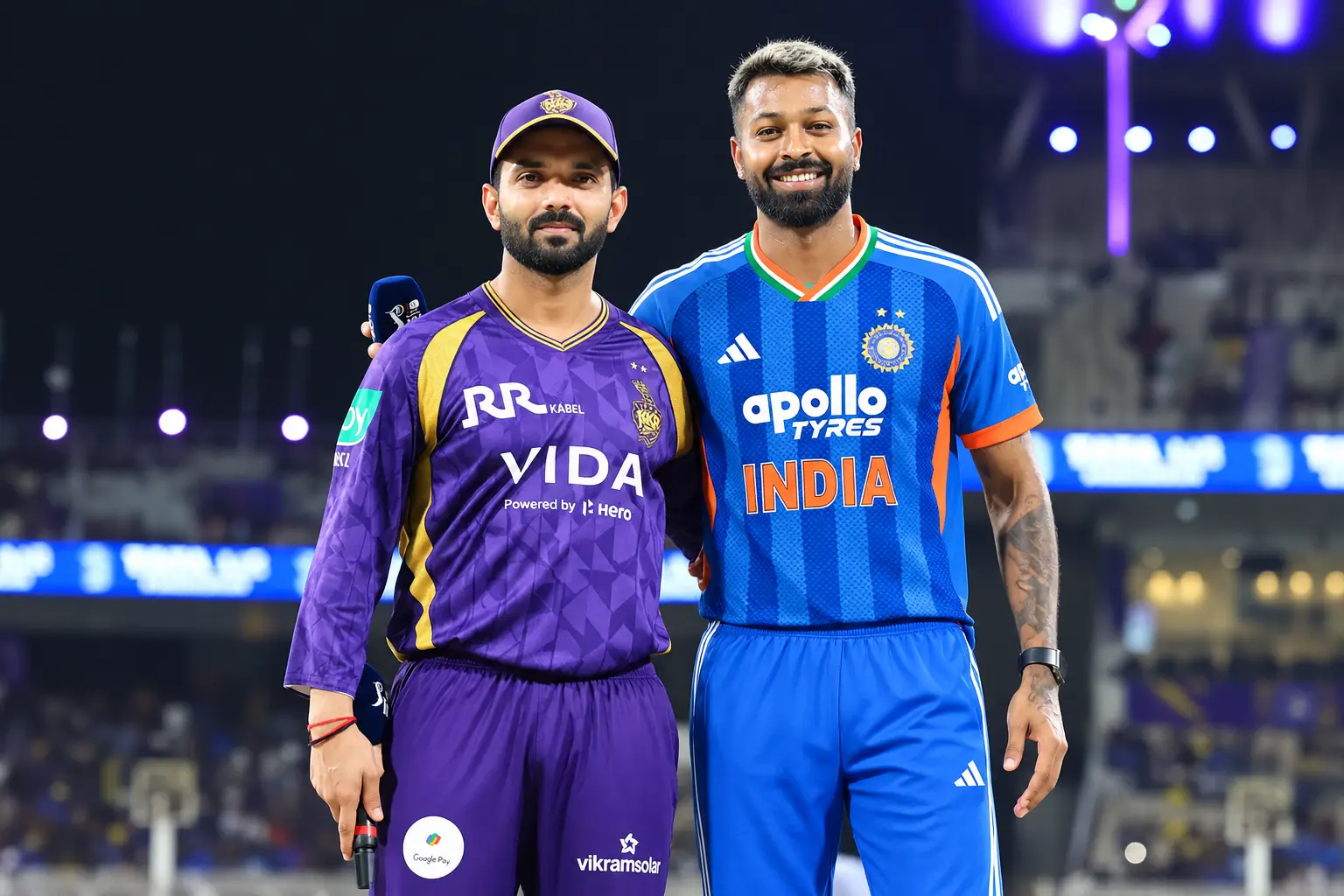
What is the difference between T20 and T20I? T20 is the 20-over cricket format, while T20I means Twenty20 International: an official match between eligible national representative teams. Every T20I is a T20 match, but every T20 match is not an international.
That distinction explains why a player can have one set of figures for an IPL season and another for international cricket. The basic format is familiar; the team being represented and the category of the match change.
T20 vs T20I: A simple comparison
The easiest way to understand the terms is to separate the format from the level of competition. “T20” tells you the scheduled length of an innings. The extra “I” tells you that the fixture has international status.
| Point of comparison | T20 | T20I |
|---|---|---|
| Full form | Twenty20 | Twenty20 International |
| Meaning | The wider 20-over format | The international category within that format |
| Teams | Can include domestic, franchise and international teams | Eligible national representative teams |
| Scheduled innings | One innings of up to 20 overs per side | One innings of up to 20 overs per side |
| Example | A Kolkata Knight Riders vs Mumbai Indians IPL match | An official India vs Australia 20-over international |
| Records | Overall official T20 totals include qualifying domestic games and T20Is | International figures are recorded separately as T20I statistics |
What is T20 cricket?
T20 stands for Twenty20. In a full match, each side has a maximum of 20 overs to bat, although an innings can finish earlier if the team is bowled out or completes a successful chase. Rain can also reduce the scheduled number of overs.
The short innings encourages quick scoring and forces captains to think carefully about when to use their strongest bowlers. A quiet over or a dropped catch can change the direction of a game because there is limited time to recover.
The term covers more than franchise leagues. Domestic teams, clubs and national sides can all play the format, although not every recreational game qualifies for official career statistics. For a broader introduction, read our beginner’s guide to T20 cricket.
What does T20I mean?
The T20I meaning is Twenty20 International. These matches involve eligible representative teams and must meet the applicable ICC requirements. The ICC’s classification of official cricket distinguishes this category from other cricket and excludes matches involving “A” teams or age-group teams from T20I classification.
International status is not limited to the best-known Test-playing countries. The ICC extended T20I status across its members for women’s teams from July 2018 and men’s teams from January 2019. That expansion opened the international category to more teams. See the ICC’s announcement on T20I status.
Is the IPL T20 or T20I?
The IPL is a franchise T20 competition. Its teams represent franchises, so their matches are not T20 internationals. Having players from several countries in the same competition does not change that classification.
For example, a cricketer can play for Mumbai Indians in the IPL and later represent India in an international series. Both games may use the 20-over format, but only the eligible international fixture contributes to the player’s T20I record. This is the central distinction when comparing IPL vs international cricket.
Are the rules different?
The basic structure is shared: one innings per side, normally capped at 20 overs. Under standard conditions for a full match, a bowler can deliver a maximum of four overs. However, you should not assume that every league uses exactly the same playing conditions.
Domestic competitions can have their own regulations, while internationals follow the applicable ICC conditions. Details around substitutes, reviews and interruptions should therefore be checked against the rules for that competition and season. The ICC maintains its official playing conditions online.
Field placement is another useful part of understanding the format. Our guide to ODI and T20 fielding restrictions explains how the powerplay affects a captain’s options.
How do T20 and T20I records work?
A player’s overall official T20 record can include both recognised domestic matches and T20 internationals. Their T20I record is the international subset. This is why two different run totals on the same player profile can both be correct.
As a simple hypothetical example, suppose a batter scores 600 runs in recognised domestic T20 matches and 400 in T20Is. Their overall T20 total is 1,000 runs, including those 400 international runs. Adding 1,000 and 400 together would count the international runs twice.
Always read the label on a statistics table. “IPL”, “T20I” and “all T20” describe different scopes, so compare figures from the same category.
FAQs about T20 and T20I cricket
These quick answers cover the most common questions about the format, international status and player statistics, with simple examples to make the terminology easier to remember.
1. What is the difference between T20 and T20I?
T20 describes the 20-over format. T20I identifies an official international match within that format. The main distinction is the match’s status and the teams involved.
2. What is the T20I meaning in cricket?
T20I stands for Twenty20 International. The letter “I” means international; it does not indicate a different number of overs.
3. Is IPL cricket counted as T20I?
No. IPL matches are franchise T20 games. Performances count in IPL and overall official T20 records, but they do not become international statistics.
4. Are T20 vs T20I matches both 20 overs?
Yes, both are normally scheduled for up to 20 overs per innings. Rain, an all-out innings or a successful chase can mean fewer overs are actually played.
5. Do T20 and T20I records overlap?
Yes. Overall official T20 figures include T20I performances. The international record is a separate breakdown within the wider total, so the two totals should not be added together.
6. Can Associate teams play T20 internationals?
Yes. Eligible ICC Associate member teams can play T20Is when the fixture meets the relevant requirements. Test status is not a prerequisite.