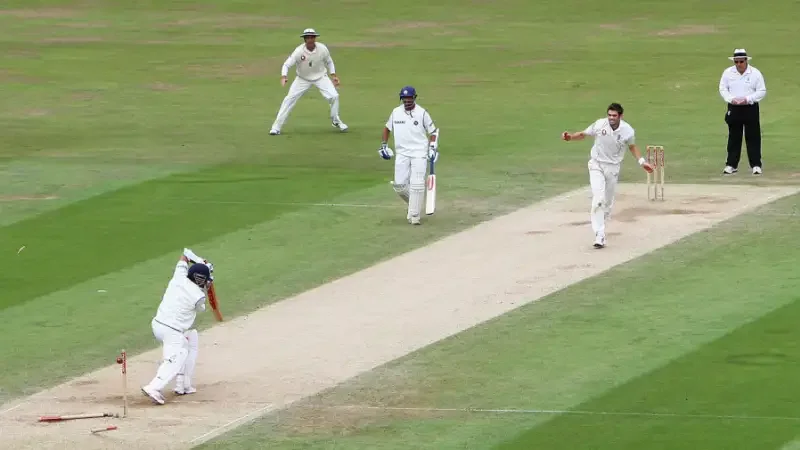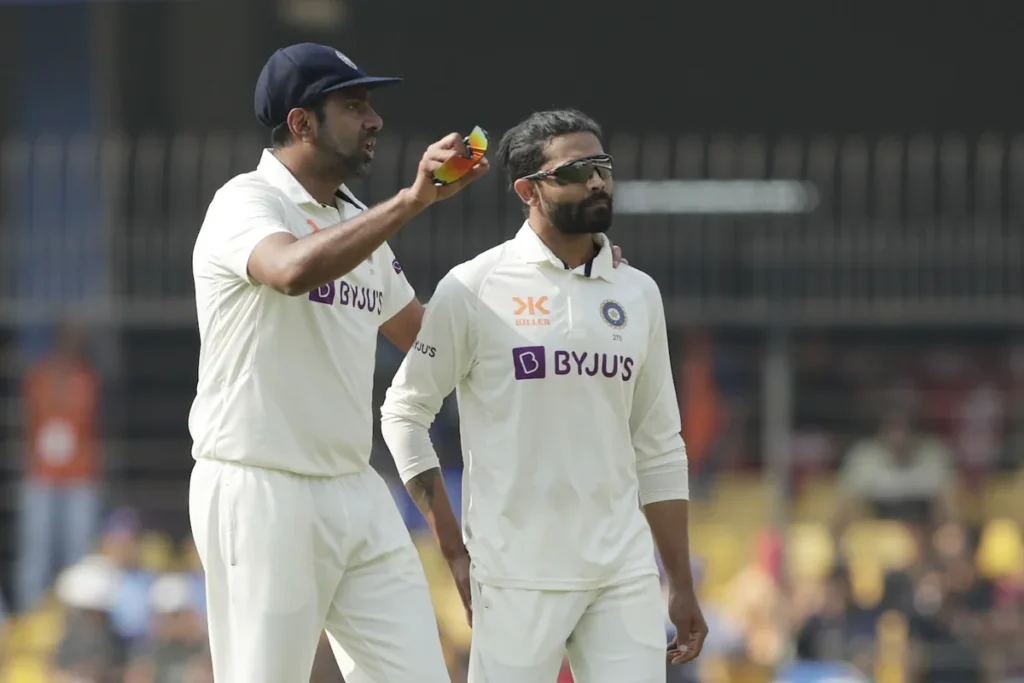
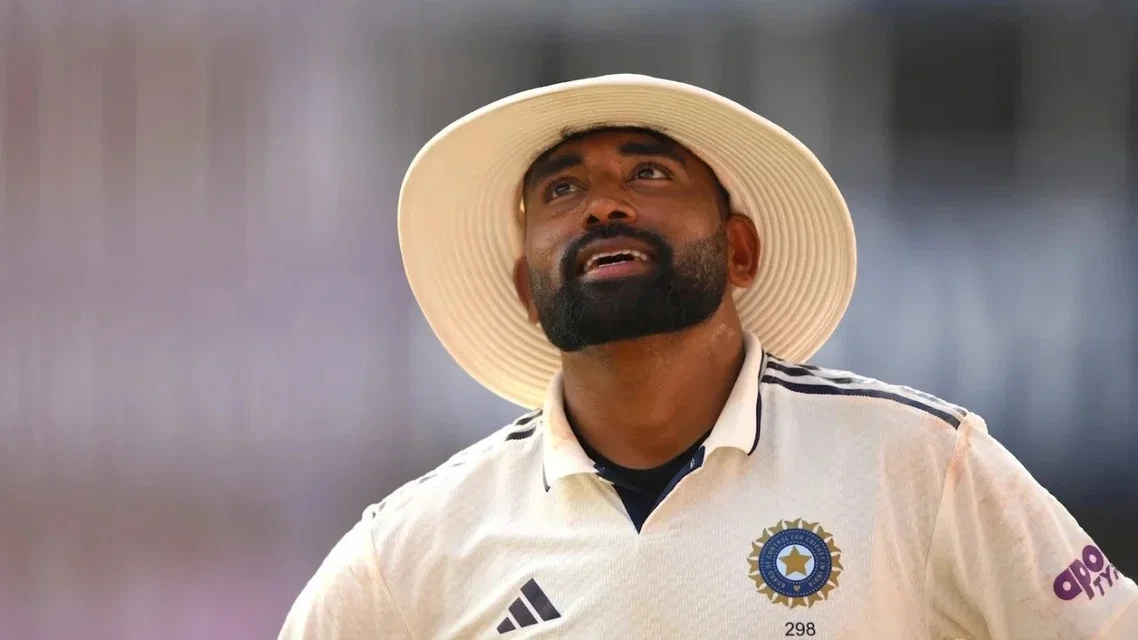
Image credit: CREX.
The clearest explanation for why Siraj is being left out is India’s preferred team combination, rather than a confirmed injury or an announced rest programme. His omission from the first Test against New Zealand in Wellington has nevertheless raised a reasonable question: is India managing an important bowler carefully, or leaving his role uncertain?
India selected Jasprit Bumrah, Akash Deep, Anshul Kamboj and Prasidh Krishna as their four seamers on 19 November. After the first day, batting coach Sitanshu Kotak defended that attack as the management’s best XI for the whole match and said there was nothing wrong with Siraj. That explanation supports a tactical selection call; it does not establish a medical reason for his absence.
The supplied CREX analysis of Siraj’s uncertain role examines why a bowler with his experience can struggle to fit the preferred balance. This article builds on that question with the confirmed Wellington selection and the subsequent explanation.
1. Is Siraj being left out for workload management?
Workload management is a plausible consideration, but it has not been confirmed as the reason for this omission. A bowler’s preparation involves more than his most recent scorecard: training, travel, recovery and the next assignment all matter. However, those general demands are not evidence of a specific rest plan for Siraj.
His recent schedule also complicates a simple overwork explanation. Wisden’s account of the selection reports that, since arriving in New Zealand in late October, he had played only an India A match and the fifth ODI before the Test. The CREX reference notes that he bowled 35 overs and took four wickets in an innings against New Zealand A. That was a substantial spell, but one long innings cannot establish his overall workload status.
There is a second issue: rhythm. Siraj has previously described himself as a bowler who benefits from match continuity, with Wisden reproducing his explanation that a prolonged break affected his run-up and pace. The useful balance is therefore between enough recovery and enough competitive bowling. Repeatedly being available without playing can create a different preparation problem from bowling too many overs.
That does not mean he should play every match. It means that resting him, preparing him for Tests and selecting other bowlers are different decisions that deserve different explanations. Our look at India’s developing pace options shows why opportunities for emerging seamers matter, while experience remains part of the selection equation.
2. Is India protecting Siraj from injury?
No confirmed injury explanation for Siraj’s Wellington omission was found in the reporting reviewed. Injury prevention and treatment of an existing injury are also different things. A player can be managed to reduce future strain without being injured, but that still requires evidence before it becomes the stated explanation for a particular selection.
The BCCI’s October 30 squad update is instructive. It explicitly described Prasidh Krishna’s hamstring recovery and return-to-play assessment, while separately confirming Siraj’s India A assignment. The named injury in that announcement belonged to Prasidh, not Siraj; it should not be transferred to another bowler by assumption.
Kotak’s post-day comments provide the more immediate context. He described the XI as the combination India wanted and did not announce an injury to Siraj. That leaves injury prevention as an unverified possibility, rather than a reason supporters can treat as settled. It also does not give outsiders access to a player’s private medical assessment.
3. Is India trying a different bowling combination?
Team balance has the strongest public support. In pre-match comments reported by Wisden, Shubman Gill discussed batting depth and the contributions Akash Deep and Kamboj could make lower down the order. At the toss, he described a difficult choice among several fast-bowling options who had performed well.
The PTI report of Kotak’s explanation reinforces the point: India said they had selected the best combination for the full Test, rather than the opening conditions alone. Kotak also linked Washington Sundar’s selection to New Zealand’s left-handed batters. That shows how opposition and overall balance influenced the XI, although the spin decision does not by itself explain every pace choice.
There is a legitimate cricketing debate here. An attack needs new-ball movement, control when the ball softens and enough resources for repeat spells. Batting contributions can help, but valuing them more highly carries a cost if it means leaving out a stronger specialist bowler. The CREX reference argues that Siraj’s seam skills and ability to sustain spells deserve greater weight.
Our assessment is that Siraj had a strong case for selection in these conditions, while the management’s explanation is a tactical preference rather than a proven loss of faith in him. As our guide to reading a cricket pitch explains, the surface is only one part of selection. Weather, changes over several days and the roles bowlers perform also matter.
What does Siraj’s omission mean for India?
The strongest criticism is about role clarity. If Siraj is being preserved, he needs a preparation plan. If the preferred combination places him behind other seamers, he needs to understand which skill or role would bring him back. From the outside, neither a permanent demotion nor a guaranteed recall can be established from one XI.
The stakes are high in a WTC series, where winning the match requires the attack to keep creating opportunities beyond the first spell. Our explanation of the World Test Championship points system puts those match results in context. For now, combination is the supported explanation; workload and injury prevention remain questions that need clearer confirmation.
Why Siraj is being left out: FAQs
These FAQs explain why Siraj is being left out, what India have said about his selection and how workload management differs from a confirmed injury.
1. Why was Mohammed Siraj left out of the first New Zealand Test?
India preferred Bumrah, Akash Deep, Anshul Kamboj and Prasidh Krishna. Gill described a difficult selection, and Kotak later defended the XI as the best combination for the match.
2. Is Siraj injured?
No injury was announced as the reason for his Wellington omission in the sources reviewed. That should not be confused with claiming access to his complete medical status.
3. Was Siraj officially rested to manage his workload?
The reporting reviewed does not establish an announced rest programme for this Test. Workload is a possible consideration, but the public explanation focused on combination.
4. Does leaving Siraj out mean he has been dropped from the squad?
No. Not being selected in the match XI is different from being removed from the touring squad. This article concerns his absence from the Wellington playing XI.
5. Why does batting depth matter to the selection?
Gill’s pre-match comments identified lower-order batting as a factor when choosing the XI. That helps explain the balance India considered, without proving that batting was the only reason Siraj missed out.
6. Can Siraj return for the next Test?
A return remains possible, but it has not been confirmed. The next XI will depend on selection, conditions, preparation and player availability.