
Image credit: India Today (AI-enhanced for clarity)
Retired hurt and retired out describe different reasons for a batter leaving an unfinished innings. Retired hurt usually means injury or illness has stopped the batter continuing. Retired out applies to retirement for another reason, such as a tactical decision. The distinction matters when reading the score and deciding whether that batter can return.
What does retired hurt mean?
A player leaving because of injury, illness or another unavoidable cause has not been dismissed merely by retiring. Under clause 25.4.2 of the ICC men’s Test playing conditions effective October 2026, the batter is entitled to resume. If the innings is not resumed, the record is retired not out. A return takes place at a wicket or another retirement.
Imagine a fictional opener reaching 28 before an injury forces a break. The next batter comes in, but the opener’s departure does not itself add a wicket. If able to resume later, the opener continues the same personal innings rather than starting again at zero.
What does retired out mean?
In the same ICC conditions, retirement for a reason outside that injury or unavoidable-cause category is recorded as retired out. A tactical retirement is therefore different from a temporary injury break. It counts as a dismissal in the batting record, without a bowler taking the wicket.
Consider a fictional T20 side needing quick runs. A batter who is struggling to accelerate may leave to let a teammate take over. That decision sacrifices the batter’s remaining opportunity; it does not create a freely rotating batting lineup. The competition’s own retirement provisions must be checked before applying this example.
Can a retired-out batter return?
Do not assume that all competitions use the same answer. Older explainers may describe an opposing captain’s consent route. The October 2026 ICC men’s Test wording records non-injury retirement as out and its resumption clause refers to the injury category. This article uses that specific current document rather than presenting an older rule as universal.
How should you read the scorecard?
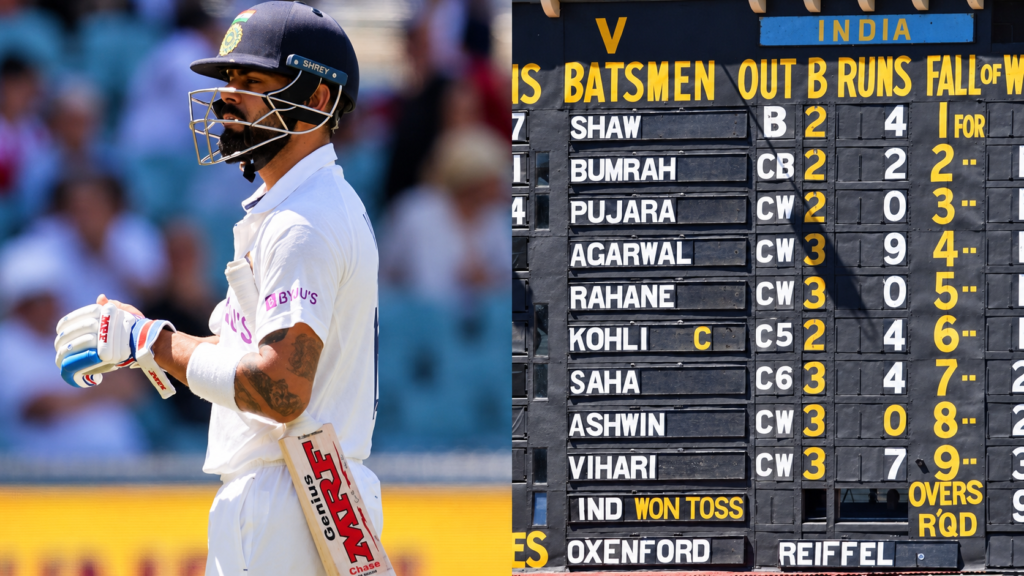
Ask why the player left, then look for the recorded status. A player walking off is not automatically out, and an injury photograph alone cannot establish the official classification. Our scorecard guide explains the surrounding runs and wickets.
Retirement also differs from being caught, bowled or run out. Our dismissals guide gives that broader context. Neither retirement label automatically grants the team a replacement batter from outside its eligible players.
Retired Hurt vs Retired Out FAQs
These answers explain how retirement affects a batter’s score, the team’s wickets and the possibility of returning to the crease.
1. Does retired hurt erase runs already scored?
No. Runs scored before retirement remain in the batter’s personal score and the team total. If the batter later resumes, any further runs are added to the same innings; the score does not restart from zero.
2. Does an injured batter’s teammate bat on their behalf?
No. The incoming teammate begins a separate personal innings. The injured batter’s score remains recorded separately, so the next player does not inherit their runs, balls faced or place at the crease.
3. Is leaving the field the same as a concussion replacement?
No. Retirement describes the batter leaving an innings, while a concussion replacement requires a separate assessment and approval process. A player walking off with an injury does not automatically give the team permission to introduce another eligible batter from outside its playing lineup.
Rules reference: ICC men’s Test playing conditions, October 2026, clauses 25.4.1–25.4.4.