
Watching India play across several days and then seeing an IPL match finish in one evening can make cricket feel like two different sports. The basic contest is the same, but the format changes how much time teams have and how they use it.
The three main international cricket formats are Test cricket, One Day Internationals (ODIs) and Twenty20 Internationals (T20Is). This guide introduces each one and explains where domestic competitions fit.
What does a cricket format mean?
A format is the structure of a match. It determines how many innings teams can play, whether an innings has an over limit, and how long the contest is scheduled to last. An innings is a team’s turn to bat; an over normally contains six valid deliveries.
Think of the format as the frame around the contest. A batter still tries to score runs and a bowler still tries to take wickets, but a decision that makes sense with hours available may be costly with only a few balls left.
Test cricket: the long-form international game
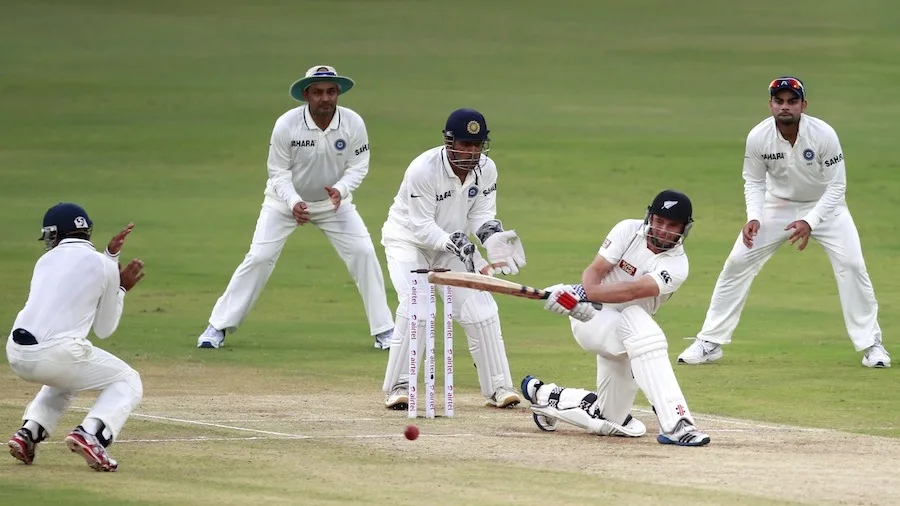
Tests allow each team up to two innings. Men’s Tests are normally scheduled for five days, although a result can arrive sooner. Unlike limited-overs cricket, a team does not have a fixed 20- or 50-over allowance for its innings.
For a step-by-step match example, read what Test cricket is and how it works.
ODI cricket: the 50-over international format
ODI stands for One Day International. In a full-length match, each team has one innings of up to 50 overs. That creates room to recover from a poor start while keeping the contest within a single scheduled day.
Our beginner’s guide to ODI cricket explains a chase, wickets and the changing demands of an innings.
T20 cricket: the 20-over format
A full-length T20 match gives each team one innings of up to 20 overs. T20I is the international version; T20 also includes domestic and franchise competitions. The shorter allocation makes every quiet over more noticeable.
Read what T20 cricket is to understand the format and the difference between T20 and T20I.
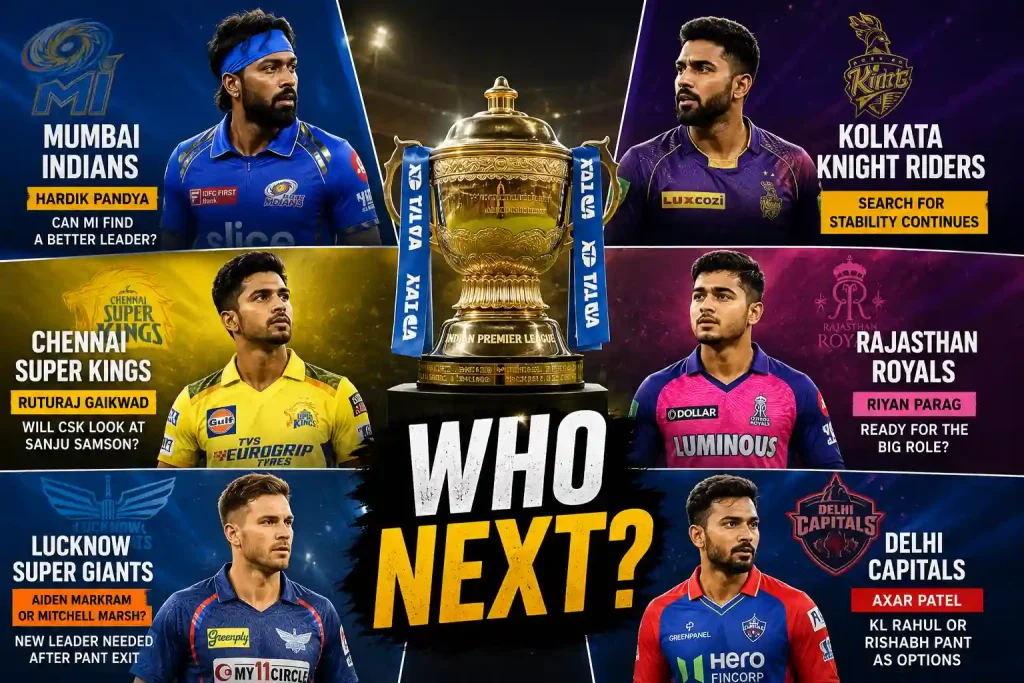
Where do the IPL and domestic cricket fit?
The IPL is a competition played in the T20 format; it is not a fourth international format. Similarly, a domestic multi-day match is not automatically a Test, and a domestic 50-over match is not automatically an ODI. Those international labels refer to matches with the relevant official status.
Other structures also exist, including T10 and 100-ball cricket. The three-format grouping here is a starting point for following mainstream international cricket, not a claim that every cricket match uses one of these structures.
Which guide should you read next?
Start with the format you are watching. If you already recognise all three names, move to Test vs ODI vs T20 for examples of how batting, bowling and captaincy change. You do not need to memorise every rule before enjoying a match.
Learn the rules shared across formats
Once you understand match length, learn how a wicket falls with our LBW explanation. Our fielding positions diagram explains where players stand, while the ODI vs T20 fielding restrictions guide explains which arrangements are permitted.
Rules reference: ICC playing conditions. Examples in this guide are illustrative; competition-specific conditions and reduced-over matches can differ.
One Comment